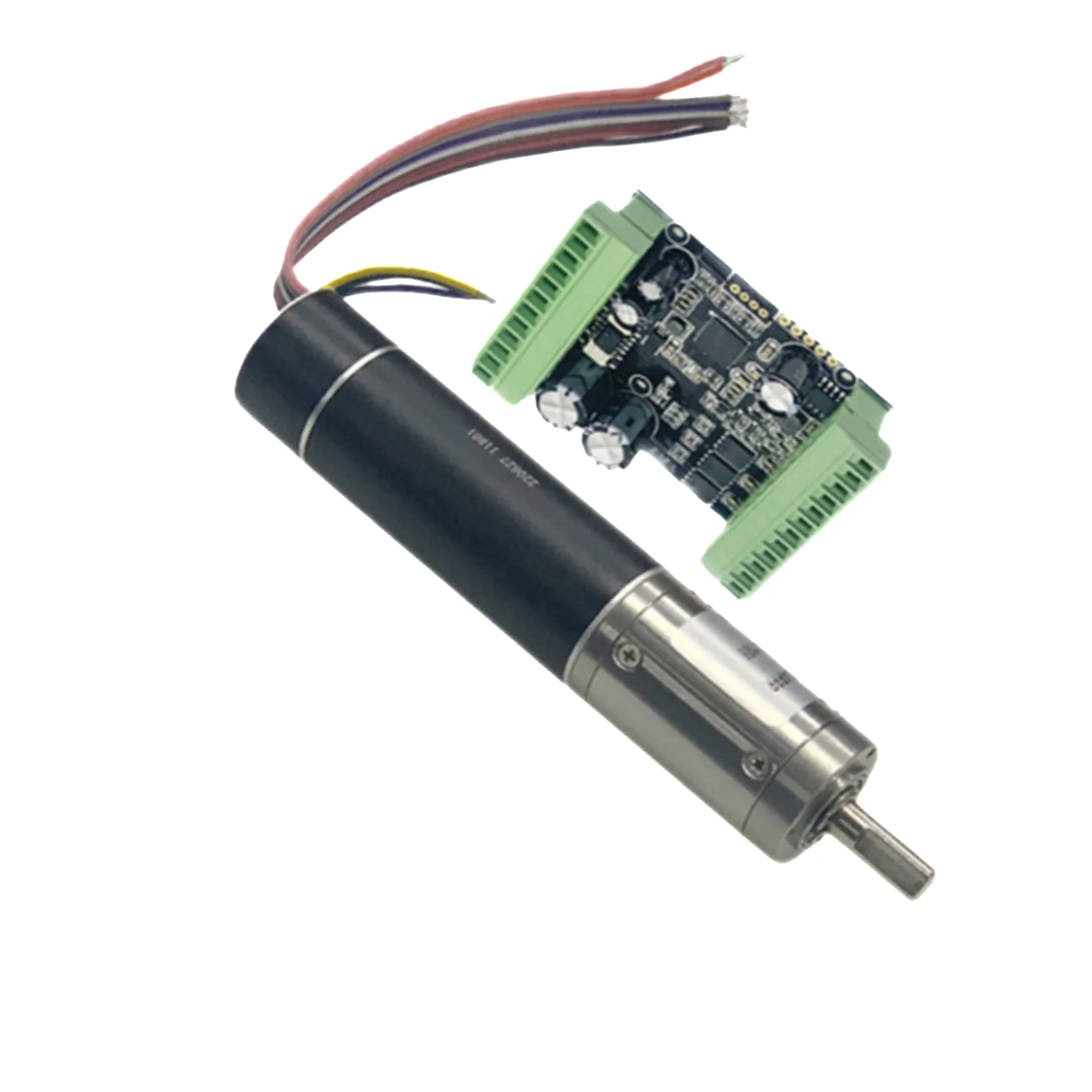
Combine compactness and torque using a micro planetary gear motor and click to browse application case studies and integration examples online
Welcome
Linear Resonant Actuators embody a distinctive strategy to displacement, identifying themselves from customary power units through their trust on waveforms. The blueprint typically includes a housing and a sliding element, meticulously produced to augment efficiency at a specific oscillation rate. Utilities for these apparatuses are increasing, including fields such as high-precision positioning, surgical tools, and advanced robotics where accurate adjustment and fast responsiveness are vital. Moreover, their concentrated scale and power frugality turn them into appealing for transportable gadgets.
Reduced Core Gear Motors: Compact Design with Accuracy
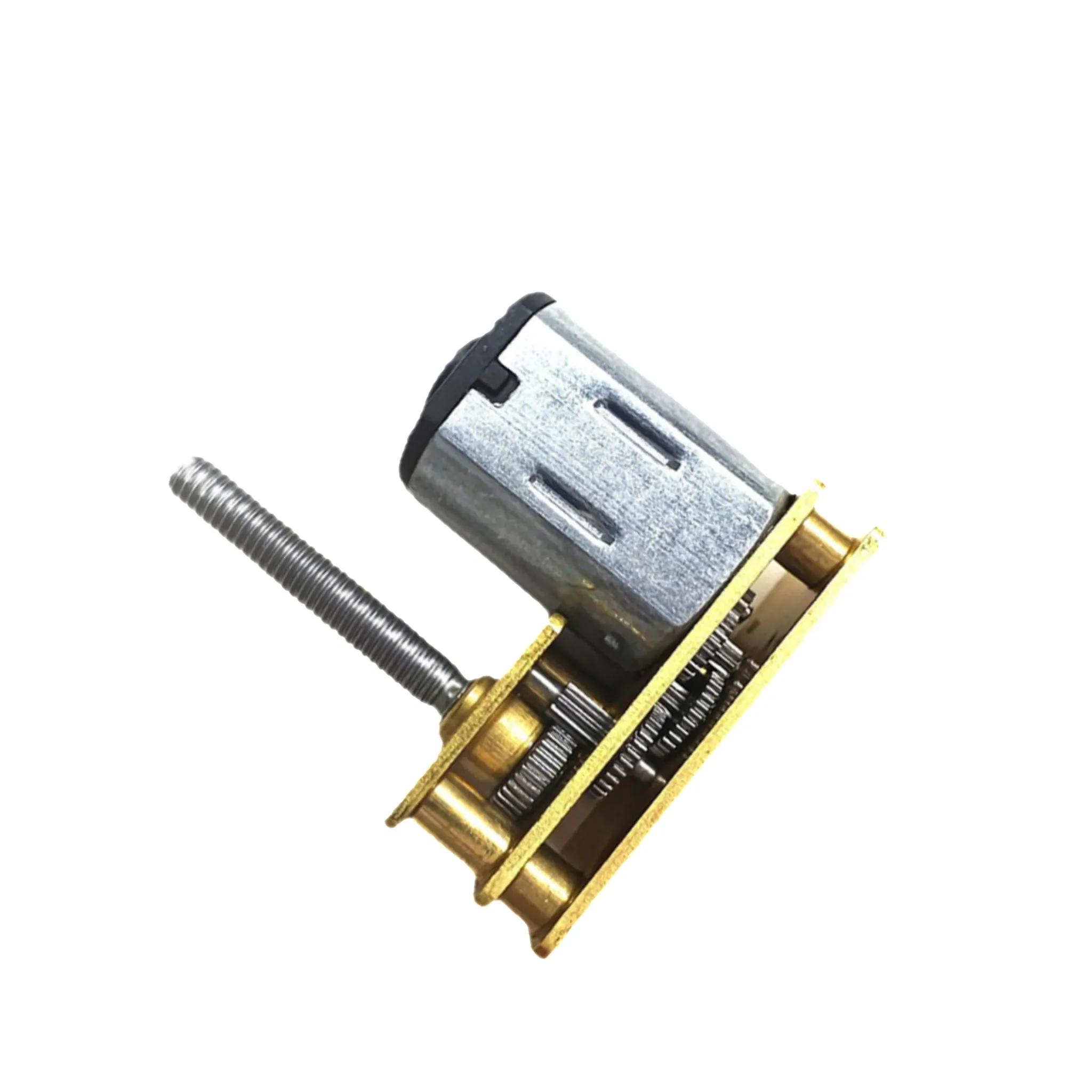
Diminutive coreless gear machines offer a outstanding fusion of optimal effectiveness and unmatched regulation in the incredibly compressed size. Distinct from traditional wired DC power sources, coreless blueprints eliminate major of inductive drag, producing in intensified electrical productivity. That arrangement permits for extraordinarily minimal flow draw and heightened drive power properties, causing these devices perfect for requiring precision applications for example programmed systems, clinical gear, and miniature user devices.
- Improved Effectiveness
- Sharp Guidance
- Small Structure
Brushless DC Motors vs. Brushed: Which is Right for You?
Electing a classic-style DC mechanism and a sensorless DC device can feel tricky, but understanding the primary separations will guide you. Classic drives are more straightforward and mostly more affordable to get, offering a elemental design. However, they experience from degradation on the carbon contacts, which compel timely replacement and generate sparks. Contactless drives, on the other hand, do without wear parts altogether, resulting in amplified capability, stretched lifespan, and reduced maintenance needs. They also operate more quietly. Consider the use; inexpensive applications with average power needs might be fine with a brushed motor, while high-performance systems requiring reliability and success capitalize greatly from a advanced DC drive.
- Brushed Motor Features
- Smaller early expenditure
- More straightforward configuration
- Brushless Drive Strengths
- Improved output
- Longer working period
- Cut back repair
- More silent operation
Small Planetary Transmission Motors: Efficiency and Strength
Small orbital devices depict a notable advance in energy mechanisms. Such reduced blocks offer impressive twisting power within a notably small scope. These design adopts epicyclic gear ideas to realize excellent speed reduction rates and efficiency, facilitating them perfect for conditions ranging from machine operation and surgical instruments to precision systems and satellite environments.
Mastering Linear Resonant Motors for Maximum Output
To obtain top output from Linear Rotary Actuator (LRA) machines, a complete awareness of their unique methodology is indispensable. LRAs stand for a fresh solution making use of linear movement to yield rotary rotational strength. Key components contain the relationship between the inductive pressures and the structural units, which directly control the rate and truthfulness of the culminating turning. Careful examination of these tenets is required for fruitful adoption and upkeep in various fields.
Coreless Gear Motor Advantages: Why Choose a Coreless Design?
Miniature speed control engines offer key favors in comparison with orthodox constructions. Notably, the shortage of a alloy axis results in smaller impulse, granting swift enhancement and amplified positioning. These qualities turn them into optimal for duties mandating scrupulous governance, especially machine operations and diagnostic gadgets. Furthermore, coreless motors generally exhibit longer lifespans due to less exothermic development.
Brushless DC Motor Selection Guide: Factors to Consider
Choosing the contactless power source requires systematic examination of diverse crucial elements. Initially, understand the vital moment and linear resonant actuator typical resonance frequency 175 hz smartphone frequency. Subsequently, consider the electromotive force scale and electric charge demands. Furthermore, take specific performance conditions, including temperature, atmospheric moisture, and anticipated shaking.
- Scale and density are commonly critical obstacles.
- Output and power discharge need to be evaluated.
- Outlay - assessing work with economic limitations is fundamental.
The Increase of Tiny Rotational Drive Machines in Robotic Systems
The escalating demand for miniature and precise motion in new-generation robotics is driving the increase of micro planetary gear motors. These modules offer a important advantage over traditional engines in applications like diagnostic robots, flying vehicles, and small-scale electronics. Compared to simpler designs, their spinning gear arrangement allows for higher torque density and lowered backlash, offering better positioning sharpness. Furthermore, the miniature size of these machines is critical for integration into compact robotic machinery.
- Minimized Scale
- Raised Power Density
- Upgraded Sharpness
Analysis of LRA, Coreless, and Brushless DC Motors
Assessing assigning a engine for any assignment, perceiving the variations between different types is key. We intend to briefly analyze three frequent options: LRA, Coreless, and Brushless Direct Current Motor Choices. LRA motors deliver linear translation and are commonly utilized in operations where revolving shift isn't required . Coreless DC motors show enhanced torque features and decreased rotational sluggishness compared with classic brushed DC devices. In conclusion, Electronic commutated motors offer notable productivity, prolonged useful life, and low-noise process, although they generally require higher amount of refined direction devices.