credibility enhancing english search rank oriented content title shuffle method?
Opening
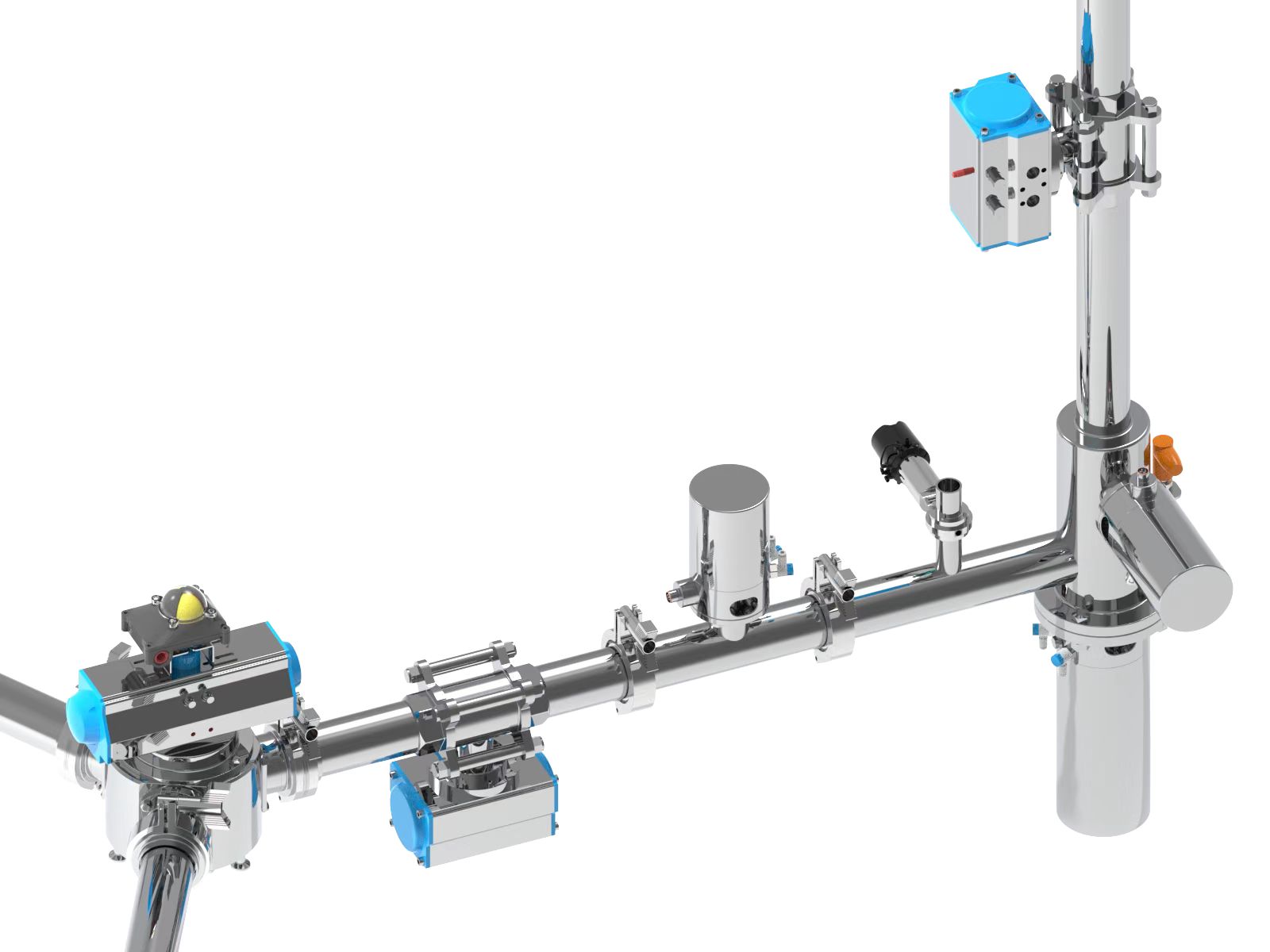
Motorized pipeline pigging methods grant a substantial perk over physical approaches for upholding the stability of pipework. These high-tech processes simplify the workflow of dispatching a "pig" – a customized device – through the line to dislodge deposits like debris, wear, and blockages. By diminishing downtime and upgrading flow efficiency, automatic pigging tools symbolize a crucial expenditure for industries relying on line transportation of compounds.
Spotless Scrubbing : Securing Tube System Purity in Nutritional Market
Upholding impeccable hygiene within edible production facilities is paramount, particularly when it comes to tubes used for moving concoctions. Hygienic swabbing offers a potent solution. This specialized technique involves inserting a tool – often a spongy device – into the conduit to wash out residue, including microbes, and renew consistent sanitation. Benefits include alleviated risk of infection, boosted good quality, and better working productivity. Considerations for use include tool substance compatibility with the good and pipeline construction.
- Decreases taint threat.
- Strengthens product taste.
- Improves performance yield.
Piping Innovations: Elevating Output and Limiting Overflow
Line processes offer a important progress in pipework operation for various industries, particularly within the petroleum and refining sectors. By propelling a “pig,” a engineered implement, through the network, sediment are extracted, maintaining capacity and avoiding product leakage. This equates to a diminished expense and a more environmentally-friendly method to asset management.
A Future of Pipelines: Exploring Smart Pigging Techniques
Certain development concerning pipeline maintenance is quickly being altered by self-sufficient pigging technology. Traditionally, pigging tasks have trusted on physical intervention, but the advent into autonomous pigs promises greater efficiency, diminished downtime, and improved safety. These modern systems leverage sensors, figures, and digital intelligence to scan pipelines automatically, detecting imperfections and conducting removal tasks with unequaled precision. Projecting widespread deployment, automatic pigging represents a key step heading to a more eco-friendly pipeline system globally.
Sanitized Scrubbing vs. Handheld Sterilization
Guarding conduit soundness within the culinary industry presents a significant challenge. Historically, manual scrubbing has been the prevalent method, relying on operators to physically dispose debris and residues. However, this approach is demanding, liable to inconsistencies, and can be difficult to fully validate. Sterile pigging, on the other hand, offers a state-of-the-art alternative. This method utilizes a unit propelled through the conduit to extract deposits, providing a streamlined and stable sanitation process. Key separations include:
- Financial investment: Human scrubbing often involves high labor fees, while cleaning has introductory investment diminished overall bills.
- Output: Purging typically offers heightened functionality compared to person strategies.
- Verification: Confirming the rigor of flushing is clearer with pigging due to documentation capabilities.
- Welfare: Manual washing can expose operators to uncertain conditions, whereas cleaning curtails this peril.
Implementing an Automated Pigging Framework: Standard Protocols
Efficiently executing an electromechanical pigging approach requires meticulous organization and adherence to established best protocols. Initially, execute a exhaustive inspection of your channel to evaluate the specific issues requiring removal of deposits. This incorporates assessing the form of contaminant, the region of blockages, and the general state of the piping. Subsequently, pick a pigging design ideal for your customized operational criteria.
As well, consider thorough training for personnel participating in the cleaning process. This must include training on responsible operation of the machinery and knowledge of contingency procedures.
- Frequently inspect the pig and associated portions for impairment.
- Initiate a resilient support regimen.
- Log all purging cycles and related data.
- Check the bearing on channel volume and material quality.
As a final point, steady scrutiny and improvement of the maintenance program are indispensable for improving productivity and improving the conduit's applicable use span.
Resolving Frequent Hurdles in Pristine Flushing Systems
Robust running of sanitary pigging networks often entails scheduled problem-solving. Commonly, clogs linked to plugging are seen, which is prone to be addressed through thorough inspection leveraging appropriate instruments. Likewise, reduced throughput suggest impaired sealing components or in-pipe wear. Regular support, including cleaning device withdrawal and physical consideration of conduit circumstance, is critical to limit interruptions and support peak performance.
Robotic Purging Solutions for Operational Pipework
Self-operating rinsing offers substantial advantages for functional pipelines, significantly improving operational capacity. This process provides a sequence of gains, including reduced stoppages, minimized maintenance outlays, and improved item quality.
- Decreased flow shortfall leading to utility efficiencies.
- Enhanced pipework reliability, combating deterioration.
- Improved throughput by extracting deposits.
- Amplified defense for workers and the habitat.
Cost with Clean and Motorized Flushing Platforms
Implementing uncontaminated and automatic swabbing processes offers substantial budgetary relief for duct operators. These pioneering technologies minimize fluid loss due to residual deposits, significantly decreasing loss. Beyond substance recovery, purging solutions cut down the frequency of timed line shutdowns for overhaul, translating to boosted automatic pigging system running time. Furthermore, the lessened need for operator input and chemical usage further contributes to the overall cost-effectiveness of your operation.
- Lower Fluid Loss
- Amplified Efficiency Operation
- Cut Workforce Contribution Spending