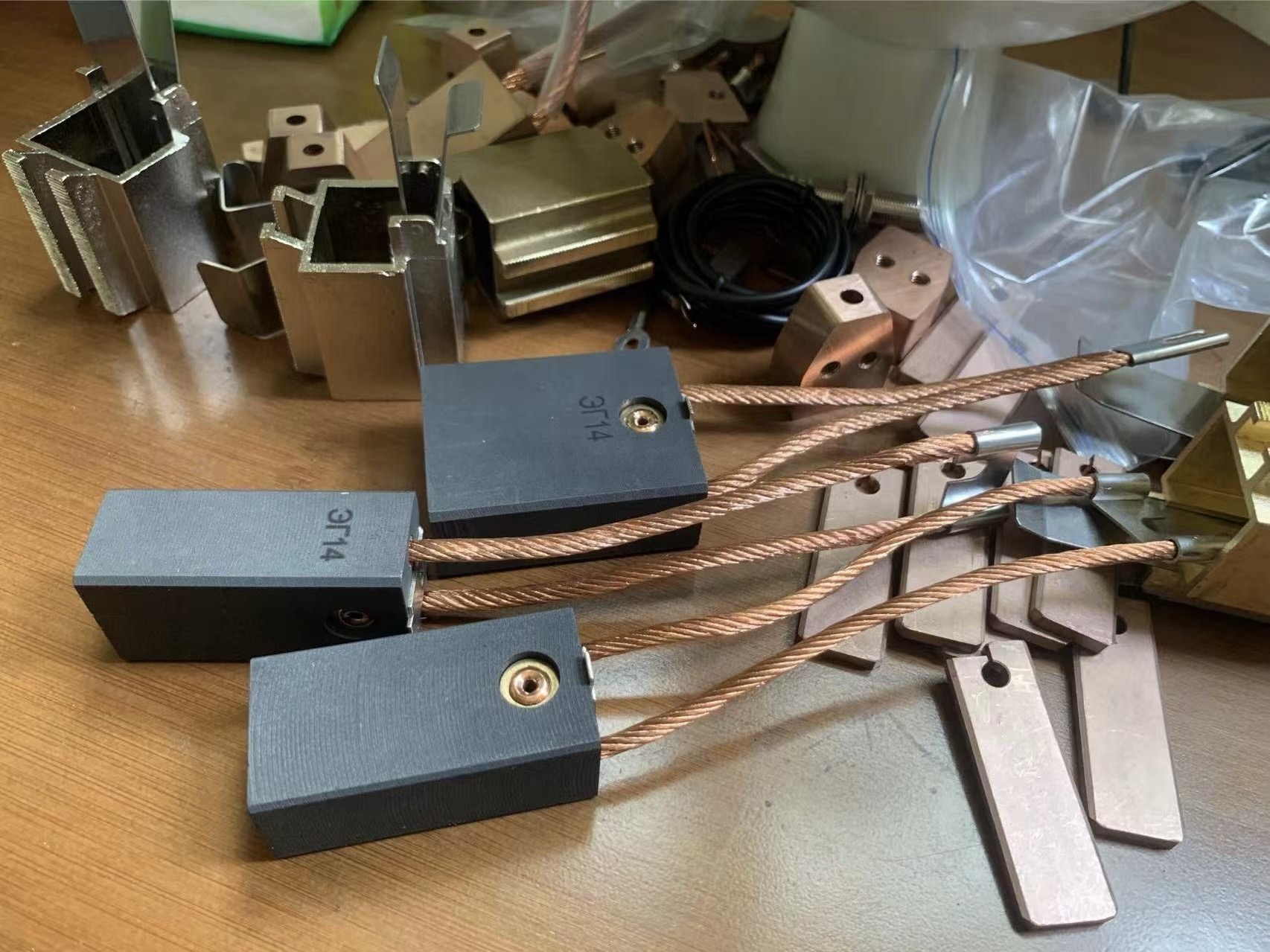
customer centric industry leading carbon brush holders range?

Protecting superior functionality in addition to longevity out of a certain graphite brushes, some preventive procedure serves as necessary. Frequently monitor the contact elements to observe hints of erosion, particularly chippings or excessive wear. Sustaining appropriate touch interfacing brushes with commutator is indispensable. One can attain this by tightening the screws securing brush holders to ensure a snug fit while avoiding undue pressure. Furthermore, ensuring holders are tidy and clear of particulates supports seamless working. For utmost efficiency, think about changing brushes periodically based on maker’s advice. Efficiently handled carbon collector rings brushes support trustworthy circuitry and extend appliance life.
Expert Advice on Carbon Brush Holder Selection
Pertaining to constructing or choosing holders for carbon brushes in motors, many facets necessitate cautious scrutiny. Form and structure of holders decisively influence brush performance, longevity, and holistic efficiency. To maintain high operational standards and lifetime, selecting a holder adhering to motor specifications is critical.
- Multiple items impact suitable brush holder blueprints, such as motor type, power parameters, ambient surroundings, and expected functioning.
- Material selection is critical for the holder Standard constituents cover copper compounds, plastics, and ceramic layers, bearing varying traits concerning current flow, resilience, and thermal stability.
- Brush design and configuration also play a significant role Volumes, proportions, and dispositions of brush units need close determination to secure proper energy transfer and commutator adhesion.
What is more, the holder construction should comprise properties mitigating brush wear, friction, and electrical sparking. Commonly means integrating springs, grips, linkages to hold uniform brush force along with airing, cooling, heat dissipation components for avoiding overheating.
Innovative Slip Ring Assembly and Material Decisions for Enhanced Stability
The durability of a slip ring system is directly influenced by the quality of its constituent materials. Manufacturing approaches significantly determine extended dependability. Regularly selected elements involve copper, brass, bronze for contact areas, joined by insulating agents such as mica or epoxy granting electrical segregation. Advanced slip ring frameworks generally feature components like self-applied grease, sealed, contaminant-barrier bearings diminishing wear and failure. Boosting performance continuity. Meticulously formed slip ring units with appropriate material choices remain paramount for sustaining consistent energy passage and reliable functionality in arduous atmospheres.
Collector Ring Setup
Collector rings represent indispensable elements in many electrotechnical and mechanical scenarios, especially related to swift rotation. Collector ring units encompass multiple conductive coils promoting electricity or data passage between static and rotating components. The fabrication of collector rings involves important phases like selecting fitting elements, cutting rings to accurate specs, and securely attaching them to a revolving shaft. Proper assembly ensures reliable electrical connections and minimizes friction between the rings and brushes.
- What is more, considering ring girth, segment division, and insulating materials is required for accurate compilation of collector rings. Concrete procedures adapt subject to collector ring functions and manufacturer’s counsel.
- Comprehending collector ring assembly details is critical among engineers and specialists engaged in rotary electrical gear design, manufacture, or servicing.
Controlling Electrical Discharges in Rotary Mechanisms
Electric arcs occurring in rotary setups provoke a range of risky occurrences. This event manifests when potent electrical flows choose alternate routes, mostly attributed to insulation failure or system skew. Multiple defensive tactics help reduce this danger. Chiefly, upholding insulation solidity remains key. Regular inspections and replacements of worn or damaged insulation are crucial to preventing arcing events. Following that, correct oiling of rotary elements curbs resistance, reducing abrasion upon electric connections. Moreover, deploying dependable earthing frameworks effectively shunts stray charges, minimizing spark risks. Ultimately, refined adjustment of spin parts blocks surplus tension on electrical joints, further reducing arc events.
Exploring Carbon Brush Wear Behavior
Brush consumption occurs frequently in motors and generators using carbon. Such degradation stems from convoluted reasons shaping brush existence. Primary deterioration mode is grinding, stemming from persistent contact between brush and commutator. That grinding creates temperature increments and steadily damages the carbon material. Likewise, electrochemical weakening deepens erosion because of chemical exchanges at brush-commutator contact areas producing material fading. Further variables aggravating brush deterioration contain electric arcs inducing confined harm on brush exterior. Inappropriate brush mounting can further speed up erosion pace. Understanding these carbon brush wear causes contributes to elevating electrical equipment functionality and service life by adequate materials and timely maintenance.
Criteria Determining Brush Durability
Brush functional duration is affected by several aspects. Rubbing wear resulting from commutator interfacing acts as a main cause, magnified by poor lubrication. Brush carbon quality greatly determines lifespan, tougher materials endowing stronger abrasion resistance. External thermal conditions modify durability, where raised heat impairs carbon construction. Ultimately, wrong brush fitting causes early breakdown.
Rectifying Regular Brush Difficulties
Carbon brushes serve important roles within many electric devices enabling continuous power passage between stationary and rotating components. Nevertheless, brushes may deteriorate gradually because of wear, thermal effects, and particulate buildup. Finding widespread brush problems fast helps avoid engine damage and inactivity. A frequent sign is a grinding noise produced by the motor. It typically marks degrading brushes or insufficient commutator connection. Inspecting the brushes visually can reveal signs of wear, such as visible grooves, cracks, or excessive length. Another typical complaint is lessened performance marked by lower power or improper ignition. This possibly reflects brush capability loss in transmitting electricity. Further, witnessing arcing near brush areas evidently signals connection issues demanding rapid care. For remedy, immediate renewal of faulty carbon brushes is needed. Pick high-caliber replacement brushes tailored to your exact motor type. Check new brushes are properly placed and forming good interface with commutator. Preparing commutator surface ahead improves brush action. By diligent carbon brush care, motor breakdowns reduce and lifetime expands.
Identifying Appropriate Slip Rings for Your Scenario
In picking slip rings for your usage, several considerations are vital. Foremost task entails ascertaining signals transmitted by slip rings. Potentially encompassing electric signals, physical actions, or their hybrid. Furthermore, evaluating the ambient circumstances slip rings will face is key. These considerations comprise temperature zones, moisture contents, and oscillations.
- Additionally, sizing and compatibility of slip rings with apparatus must be observed.
- In closing, acknowledging reputable makers having good slip ring production importance is key.
By detailed inspection of these parameters, suitable slip rings can be identified meeting exact prerequisites.
Mitigating Sound and Movement from Collector Rings
{Collector rings play a crucial role in rotary applications by facilitating the transfer of power and signals|Collector rings have key importance in rotational settings