documentation complete retrofit ready pigging systems for legacy factories?
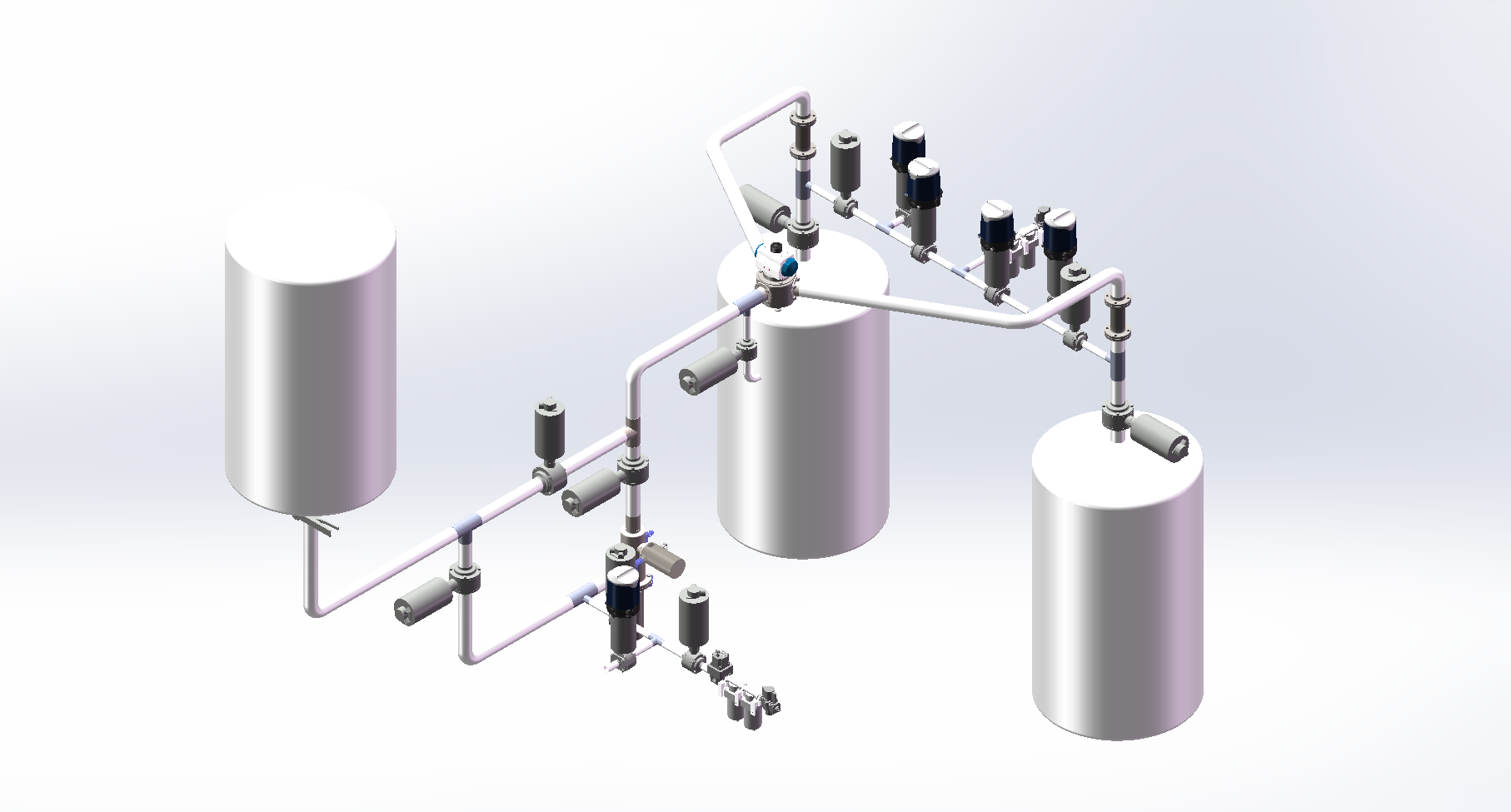
Embarking Modern Maintenance Procedures sanitary pigging systems
Food-Grade Pigging Practices
Utilizing food-compliant cleaning devices upholds top-tier immaculacy including preserved contents. This methodology offer bacteria-resistant frameworks adapted to handling aggressive disinfecting methods through limiting bacteria growth.
- Innovative designs implement smart hygiene functions, increasing operational efficiency.
- Adherence to industry protocols is key for all food-grade cleaning procedure applied in gastro product operations. Implementations are assembled to fulfill firm rules, ensuring the optimal production standards.
Maximizing Efficiency Gains from Pipeline Pigging
Fluid transport pigging methods contributes a strong procedure for boosting fluid conveyance. By using intelligent pig placement and strategic evaluation timetables, operators can curtail unplanned downtime, raise flow rates, and secure infrastructure durability. Pigging locates potential challenges such as stoppages or wear but also assists efficient cleaning and evaluation methods. This planned line operation notably decreases operational expenses and supports the entire strength of the infrastructure.
Quality Assurance through Pigging in Pet Food
Fluid pipeline pigging have become essential components within the pet diet fabrication industry. These systems allow the safe and efficient distribution of feedstocks through pipelines, minimizing pollution risks. By firmly separating different elements or output segments, pigging systems contribute guarantee the highest levels of value and dependability in pet food production.
Also, pigging systems offer a variety of benefits, such as reduced downtime for sanitation and management, improved operational performance, and restricted resource depletion. The use of pigging systems finally augments the production of protected, wholesome, and reliable pet food.
Blueprints for Clean Pigging in Pet Food Manufacturing
Among the processing of pet food, preserving sanitary conditions is vital. Pigging systems serve an indispensable function in securing product excellence and protection by efficiently cleaning pipelines between formation stages. A well-designed pigging system comprises aspects that reduce pollution hazards, increase secure cleaning workflows, and block ingredient transfer between batches.
- Incorporating sanitary finishes reduces the potential for infection growth.
- Substances that are disinfectable and rust-proof are fundamental for ensuring hygiene.
- Accurate controls halts the return flow of foreign matter during flushing and batch movement.
Clean pigging architectures also refine line performance by reducing downtime for washing. By thoroughly wiping out residues and stopping cross-contamination, these systems bolster to a more stable production process, decisively leading to the formulation of safe and excellent pet food.
Pigging Systems for Pipelines
Ensuring the integrity of ducts is crucial for risk-free and well-functioning flow of inputs. Pigging systems supply a value-driven solution to servicing pipelines. A pig, also identified as a pipeline equipment, acts as a mechanized device deployed through the pipeline to deliver various tasks. Cleaning pigs dislodge buildup and contaminants, while inspection pigs are installed with technology to detect erosion in the pipe walls. Regular pigging helps diminish pipeline disruption, securing safe and reliable process.
- Various types of pigs function, each designed for specific applications.
- Pigging operations are reliable and can be handled with ease.
- Integrating a pigging program can prolong the durability of pipelines and diminish maintenance costs.
Cutting-Edge Pigging Systems in Animal Feed Manufacturing
Pigging stands as a fundamental technology in the pet food industry, ensuring efficient and sanitary production.
Cutting-edge pigging technologies employ sophisticated devices to precisely sanitize pipelines. This decreases the risk of ingredient adulteration between different pet food compositions, thereby upgrading product safety and quality.
In addition, advanced pigging apparatuses offer a range of benefits such as: * Refined cleaning and upkeep approaches * Reduction in downtime and production disruptions * Superior cleanliness quality * Curtailed application of dangerous compounds
The integration of these technologies shows the pet food industry's commitment to providing trustworthy and excellent supply for customers.
Barriers and Countermeasures in Pigging Systems for Pet Food Production
Pigging applications play a key role in the pet food production process, securing efficient transfer of materials and finished products. However, these systems face wide-ranging challenges. One prevailing matter is blockages caused by material aggregation. Overcoming this problem involves employing pigging tactics such as customizable equipment and optimizing ingredient arrangements.
Another problem is the possibility of contamination. To minimize this, strict purification protocols have to be maintained throughout the pigging system. This includes regular purification of pigging tools and implementation of potent cleaning substances. Regular inspections are also significant to locate potential problems early on. By following these solutions, pet food manufacturers can secure the efficiency and safety of their pigging systems.
Rewards of Pigging Techniques in Pet Food Manufacturing
Pipeline cleansing solutions offer a variety of benefits for pet food manufacturers working to optimize their production processes. These systems leverage air-driven pressure to propel such pig, a cleaning device, through the pipeline, thoroughly removing product residue and contaminants. Accordingly, pigging systems promote to heightened hygiene standards, lowering the risk of cross-contamination and safeguarding a safer final product for animals.
- Besides, pigging systems can boost production efficiency by curtailing downtime for cleaning and maintenance.
- Furthermore, they facilitate to reduce waste by blocking product loss during pipeline cleaning.
- In conclusion, pigging systems can be modified to match the specific requirements of different pet food production lines.
Illustrative Examples of Pigging Efficiencies in Pet Food
The pet food industry is growing toward efficient and sanitary protocols for sustaining optimal product quality. Pigging systems have appeared as a key solution to meet these demands, offering a efficient method for cleaning and controlling pipelines within pet food plants.
Various case studies reveal the performance of implementing pigging systems in various segments of pet food production.
- Manufacturers like [Company A], [Company B], and [Company C] have shared significant improvements in sanitation, product soundness, and overall operational efficiency following the adoption of pigging systems.
- Outcomes such as reduced downtime for cleaning, lessened cross-contamination risks, and improved accountability of product flow have been observed in these case studies.
Moreover, pigging systems contribute to ecological reduction by boosting resource utilization and minimizing waste generation.
Choosing the Right Pigging System for Your Pet Food Pipeline
Concerning preserving the purity standards of your pet food network, a consistent pigging system is essential. Pigging systems enhance efficiency by eliminating product residue and curbing cross-contamination between batches. Selecting the fitting system depends on a variety of features, including your operational size, product characteristics, and existing infrastructure.
- Evaluate the size of your conduits to ensure a matching pig design.
- Review the fluidity of your pet food products to pick the appropriate pig material and frequency of operation.
- Promote systems that contain features like mechanized launching and retrieval for heightened user safety.