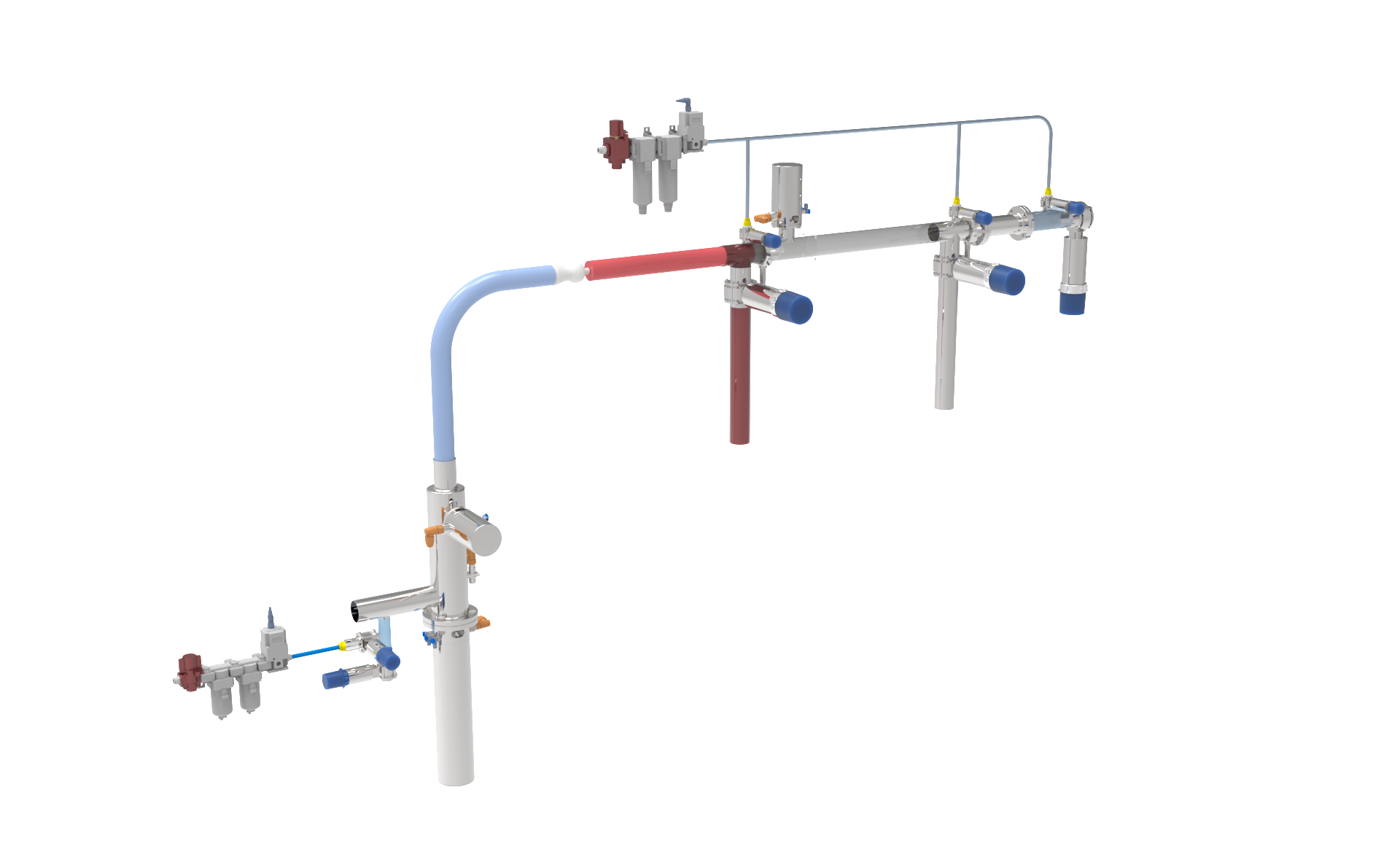
efficiency optimized environmentally aligned pigging systems in pet plants?
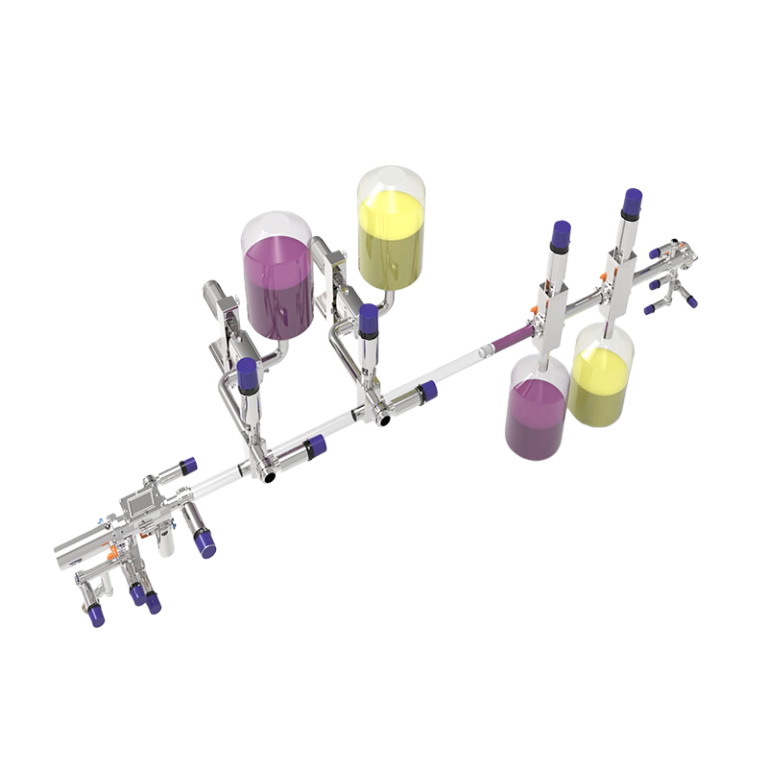
Kicking off Progressive Fluid Transfer pigging systems Technologies
Clean Pipeline Methods for Food Safety
Conducting contamination-controlled pigging operations maintains high-quality spotlessness together with food contamination prevention. These solutions include certified hygienic substances engineered to resisting intensive sterilizing cycles while stopping biological contamination.
- Cutting-edge models utilize automated cleaning sequences, strengthening maintenance ease.
- Conformance to standards required for all food-grade cleaning procedure utilized in culinary industry. Techniques are fabricated to meet firm rules, securing the optimal production standards.
Maximizing Flow Enhancement through Pigging Techniques
Pipeline pigging technology supplies a dynamic strategy for refining system performance. With executing intelligent in-line runner localization and strategic checkup intervals, engineers can lower unplanned downtime, amplify conduit throughput, and maintain system stability. Pigging recognizes potential disruptions such as obstructions or deterioration but also advances efficient cleaning and evaluation methods. This precautionary pipeline management markedly lessens overhead spending and strengthens the general durability of fluid transport systems.
Hygienic Pigging in Pet Food Manufacturing
Pig-based cleaning methods have become fundamental components within the pet aliment industry industry. These systems enhance the safe and efficient shipment of materials through conduits, cutting down unintended blendings. By reliably distinguishing different items or workstreams, pigging systems help maintain the highest levels of excellence and security in pet food production.
Furthermore, pigging systems deliver a selection of benefits, comprising reduced downtime for maintenance and management, improved production throughput, and restricted resource depletion. The use of pigging systems conclusively adds to the production of harmless, healthy, and reliable pet food.
Sanitation-Driven Pigging Frameworks in Pet Nutrition
In the construction of pet food, maintaining high sanitation standards is primary. Pigging systems carry significant weight in safeguarding product standards and protection by carefully disinfecting pipelines between production stages. A well-designed pigging system incorporates ingredients that diminish microbial threats, encourage efficient cleaning procedures, and ward off source contamination between batches.
- Utilizing unblemished coatings decreases the potential for biological habitation.
- Components that are disinfectable and corrosion-resistant are important for ensuring hygiene.
- Proper valving mitigates the retrograde movement of contaminants during washdown and material passage.
Sanitary pigging system designs also increase system productivity by shrinking downtime for sanitation. By systematically extracting residues and fending off cross-contamination, these systems assist to a more robust production process, conclusively leading to the assembly of uncontaminated and exceptional pet food.
Pipeline Hygiene and Evaluation
Conserving the stability of transport systems is essential for harmless and efficient conveyance of payloads. Pigging systems supply a value-driven approach to sanitizing pipelines. A pig, also identified as a pipeline device, serves as a automated device propelled through the pipeline to complete various operations. Cleaning pigs eliminate buildup and contaminants, while inspection pigs are installed with technology to detect erosion in the pipe walls. Regular pigging helps diminish pipeline disruption, safeguarding safe and reliable process.
- Several types of pigs operate, each adapted for specific requirements.
- Pigging operations are effective and can be executed without interference.
- Incorporating a pigging program can amplify the longevity of pipelines and decrease maintenance costs.
State-of-the-Art Pipeline Systems in Pet Food Sector
Pigging has emerged as a vital procedure in the pet food industry, providing efficient and sanitary production.
Leading-edge pigging technologies explore sophisticated instruments to effectively sanitize pipelines. This minimizes the risk of product contamination between different pet food blends, thereby upgrading product safety and quality.
In addition, advanced pigging apparatuses offer a range of benefits such as: * Refined cleaning and upkeep approaches * Reduction in downtime and production disruptions * Enhanced sanitation levels * Minimized usage of harmful substances
The utilization of these technologies emphasizes the pet food industry's commitment to maintaining safe and top-tier manufacturing for animal lovers.
Obstacles and Remedies in Pigging Systems for Pet Food Production
Pipeline pigging technologies are indispensable in the pet food production process, guaranteeing efficient transport of raw inputs and finished products. However, these systems undergo several challenges. One regular problem is blockages caused by particle size variation. Combating this fault involves applying pigging strategies such as adjustable mechanisms and tailoring ingredient mixtures.
Another challenge is the likelihood of contamination. Limit this, strict cleanliness protocols must be executed throughout the pigging system. This covers regular disinfection of pigging apparatus and employment of reliable cleaning mixtures. Regular evaluations are also important to discover potential difficulties early on. By adopting these solutions, pet food manufacturers can protect the efficiency and security of their pigging systems.
Perks of Pigging Applications in Pet Food
Pipeline pigging tools offer a variety of gains for pet food manufacturers looking to increase their production processes. These systems employ force-led pressure for the purpose of propel specific pig, a cleaning device, through the pipeline, successfully removing product residue and contaminants. Ultimately, pigging systems support to improved hygiene standards, cutting down the risk of cross-contamination and ensuring a safer final product for users.
- Plus, pigging systems can raise production efficiency by lessening downtime for cleaning and maintenance.
- Moreover, they enable to lower waste by curbing product loss during pipeline cleaning.
- In addition, pigging systems can be personalized to meet the specific requirements of different pet food production lines.
Real-World Pigging Success in Pet Nutrition Facilities
Animal nutrition sector is growing toward efficient and sanitary protocols for sustaining optimal product quality. Pigging systems have appeared as a key solution to meet these demands, offering a efficient method for cleaning and checking pipelines within pet food plants.
Various case studies show the performance of implementing pigging systems in various components of pet food production.
- Companies like [Company A], [Company B], and [Company C] have highlighted significant improvements in sanitation, product standard, and overall operational capacity following the adoption of pigging systems.
- Advantages such as reduced downtime for cleaning, curtailed cross-contamination risks, and improved surveillance of product flow have been recognized in these case studies.
Furthermore, pigging systems contribute to greenhouse gas emission reduction by increasing resource utilization and minimizing waste generation.
Deciding on the Right Pigging System for Your Pet Food Pipeline
On the subject of maintaining the hygienic standards of your pet food system, a trustworthy pigging system is fundamental. Pigging systems raise efficiency by eradicating product residue and preventing cross-contamination between batches. Selecting the ideal system depends on a variety of parameters, including your yield, component characteristics, and implemented infrastructure.
- Scrutinize the measurement of your fluidways to ensure a adapted pig design.
- Analyze the viscosity of your pet food products to choose the best pig material and velocity of operation.
- Focus on systems that include features like remote launching and retrieval for optimized reliability.