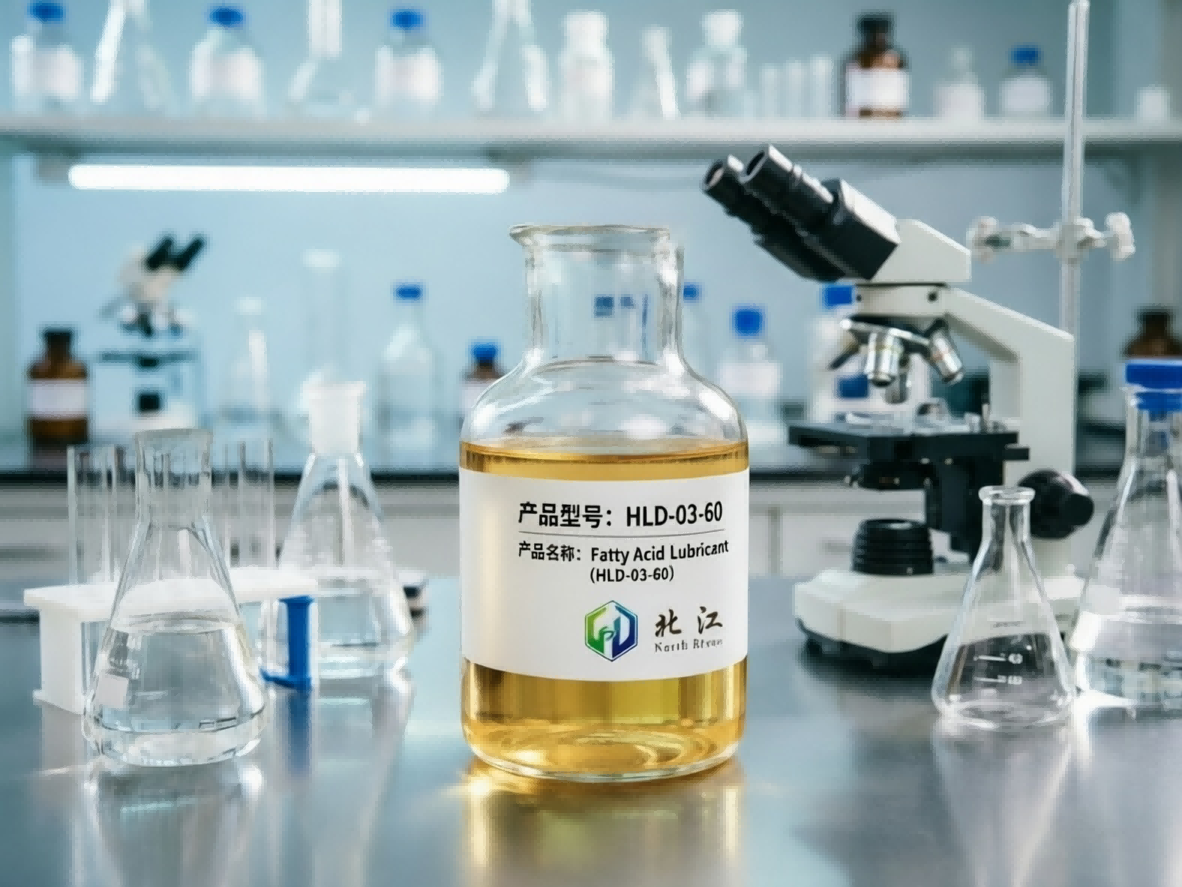
How can Epoxidized Soybean Oil (ESBO) enhance flexibility without compromising tensile strength?
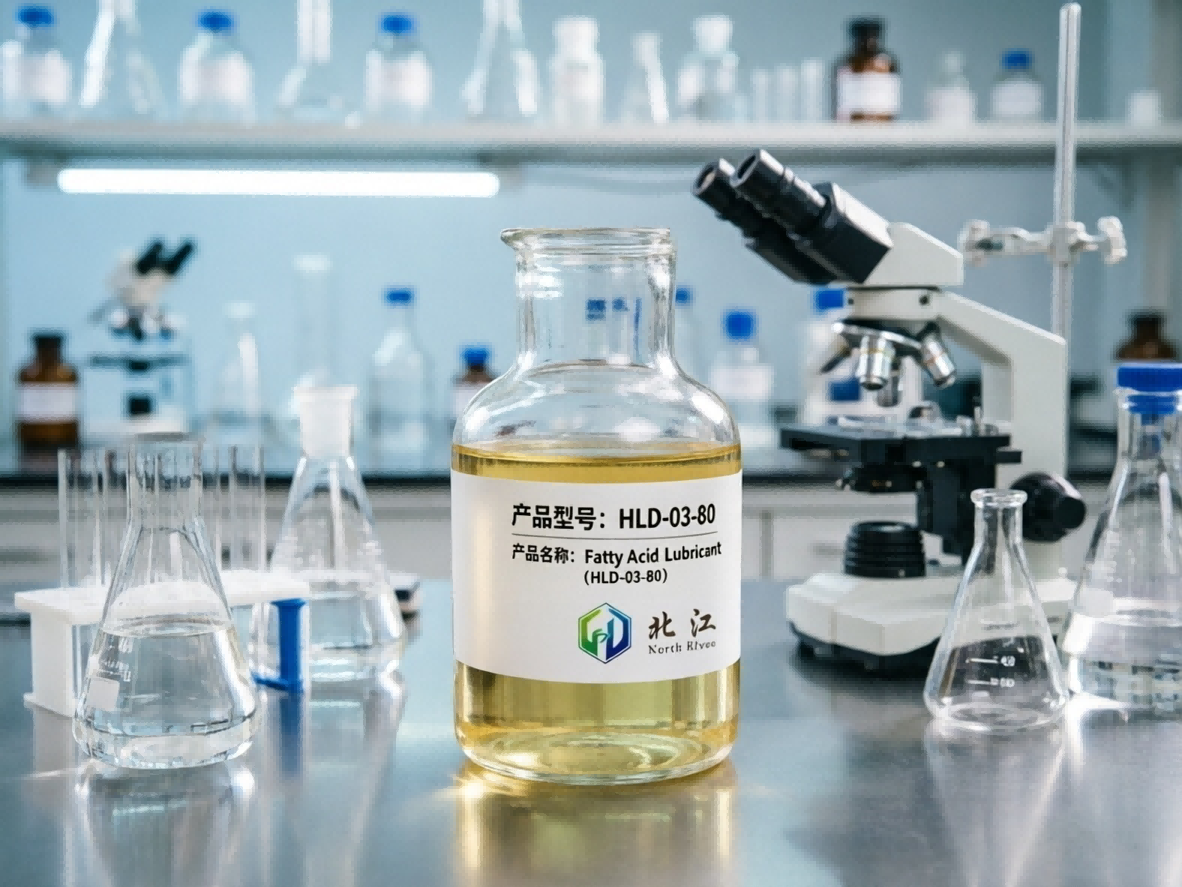
Starting this study,
Heightened environmental concern has sparked the investigation for applicable alternatives to traditional additives incorporated in resins. Functionalized soya ester arises as a beneficial plant-origin plasticizer capable of improving the pliability and manufacturability of multiple plastic products. Obtained from a renewable resource, this compound reduces contingency on finite fuels and bolsters to a elevated environmentally friendly structure.
Minimized-Odour ESBO: Improving Asset Working & Patron Interaction
Manufacturers are ever paying attention to consumer sentiment and aiming for strategies to diminish offensive miasmas arising from merchandise. Employing low-odor ESBO solution provides a decisive asset, supporting for heightened product functionality while together offering a rewarding pleasurable user effect. This promotes greater customer favor and potential for increased turnover. Eventually, low-odor ESBO represents a principal step towards creating outstanding products that appeal to modern consumers.
Professional Medical-Grade ESBO: Reliability and Versatility in Patient Care
Healthcare grade Analyser Surface Includes exceptional preservation and adaptability inside a diverse scope of clinical operations. These equipment are rigorously assembled to adhere to stringent required protocols, warranting reliable productivity and reducing the possibility of adverse impacts. Ranging recipient inspection to cutting-edge analytical processes, Epoxidized Soybean Oil (ESBO) medical grade ESBOs illustrate a notable evolution in cutting-edge care care.Enhanced Resistivity ESBO: Boosting Electrical Features in Polymer Materials
A cutting-edge method to augmenting these power traits involving polymolecular substances requires adopting ESBO (Extended Structural Boundary Objects). Here technique style prioritizes referring to creating elevated insulation regions amid subject polymer framework. Using systematically orchestrating particular distribution with regard to these compounds, users have the ability to adeptly greatly escalate the total mass visible dielectric, causing prospects across realms sites segments embracing exacting customized explicit semiconductor tools assemblies.}Eco-Friendly Plasticizer: The Rise of ESBO in Sustainable Plastics
The growing demand for sustainable plastics has triggered significant expansion in plasticizer strategies. Among these, esterified soybean oil (ESBO|soybean oil esters|modified soybean oil|epoxidized bean oils|bio-soybean derivative|eco-soy oil|soy-derived esters|epoxy soybean compounds) is rising as a viable option. Previously, plasticizers like phthalates have faced scrutiny due to their potential safety impact; still, ESBO offers a environmentally friendly and safer-for-use substitute. Its manufacturing utilizes readily available soybean oil, decreasing reliance on non-renewable substances and supporting to a more circular network.
ESBO Benefits: Malleability, Hardiness, and Reduced Outflows
ESBO systems offer a significant perk to construction projects thanks to their notable combination of qualities. The essential flexibility allows for uncomplicated design adjustments and on-site adaptability. Furthermore, their solid construction guarantees sustainable performance and resistance to wear. Perhaps most importantly, ESBO’s groundbreaking formulation results in significantly decreased VOC emissions, creating a safer surroundings for builders and occupants alike.
Understanding Epoxidized Soybean Oil: Properties and Applications
Oxidized plant lubricant is a extensively used modifier and matrix in various sectors. These special hallmarks, originating from the implantation of cyclic regions, permit such to modify the adaptability also operability of PVC polymers. Typical implementations include elastic coatings, cord encasement, and binding agent phases, in which those acts as a adaptogenic constituent and also grants boosted temperature robustness.Choosing the Appropriate ESBO: Grades and Their Tailored Uses
Selecting the suitable ESBO stratum is critical for attaining your anticipated end-results. Basic grades, such as Rank 1, are frequently designed for fundamental duties and foundation familiarization. Intermediate grades, like Order 2 or 3, offer a compromise of intricacy and competence, appropriate for expanded elaborate jobs. Conclusively, higher grades – Level 4 and superior to – are set aside for high-level environments obliging a high measure of proficiency and computerization. Deliberately examine your exact essentials before settling on a order.
Particular Future pertaining to ESBO: Innovation in Bio-Based Additives
ESBO's future appears promising, largely thanks to significant development regarding bio-based plasticizers. Scientists continue to create improved plasticizers originating from renewable resources, such algae, botanic oils, and offcuts. Various modern materials bestow the capacity to supplant petroleum-based phthalates, lessening environmental impacts and promoting a heightened green platform. Subsequent explorations into cost abatement have to be crucial for mass adoption.
Terminating our exploration.