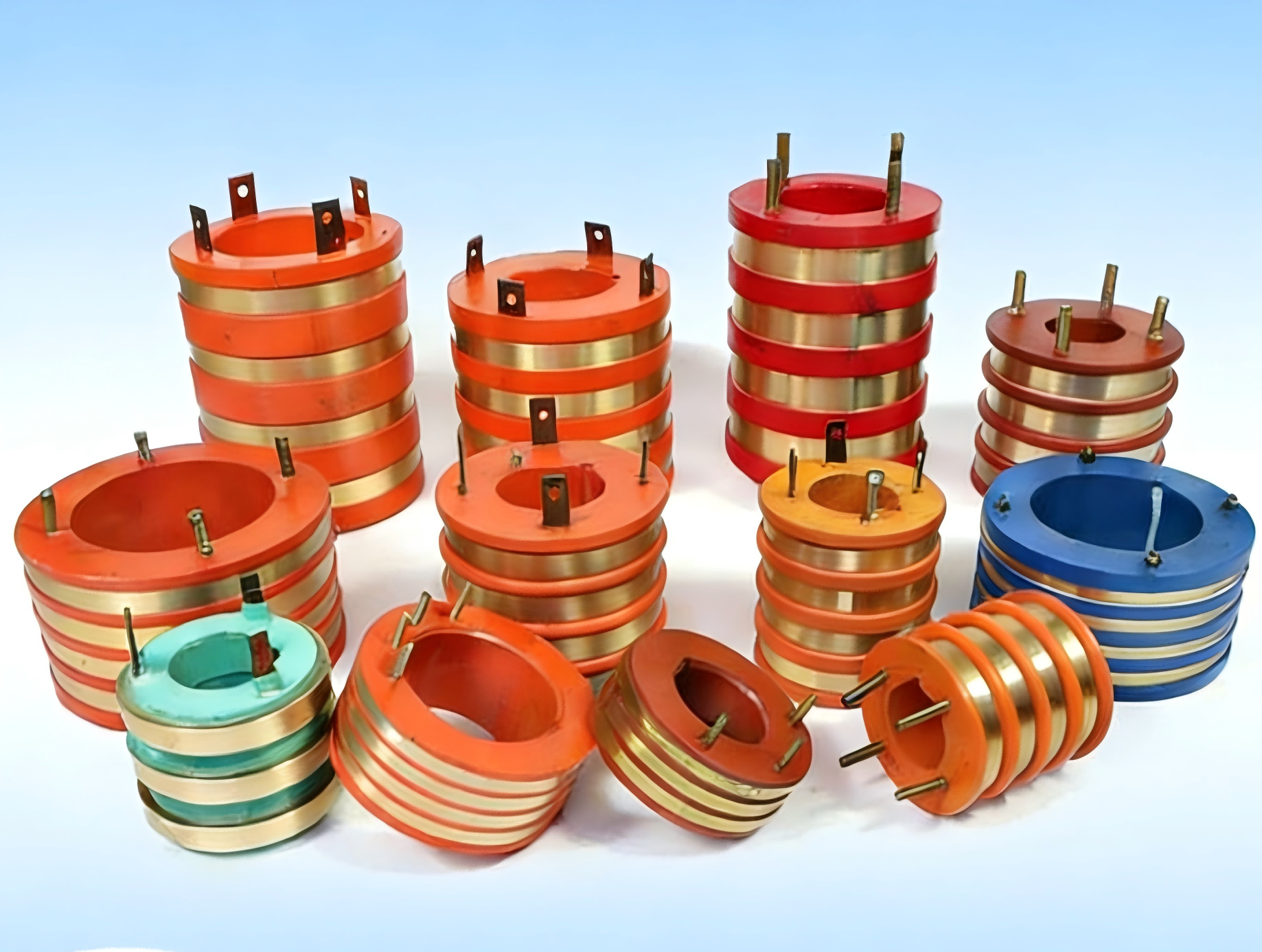
interest sparking performance tuned collector rings kits?

Assuring top workmanship plus continuance by individual brush elements, some proactive procedure is vital. Regularly monitor the cleaning brushes in order to find symptoms of abrasion, for example fractures otherwise ample wear. Keeping proper interface among the brush components and commutator is necessary. One can attain this by modifying the brush holder screws to keep tightly carbon brush holders without disproportionate load. Additionally, upholding holders hygienic and free from waste assists in promoting fluid operation. To secure prime operation, schedule brush replacements regularly as per producer’s directions. Diligently cared-for brushes aid secure current paths and amplify device lifespan.
Guide to Optimal Carbon Brush Holder Choices
Regarding the layout or choice of a brush holder for electrical motors, various components call for detailed analysis. Brush holder design meaningfully shapes brush functionality, persistence, and broad effectiveness. For achieving best function and life, selecting a holder satisfying particular motor needs is vital.
- Various issues affect perfect brush holder design, like motor category, voltage and amperage limits, working conditions, and targeted output.
- Choosing materials plays an essential role in holder quality Regular components include copper blends, synthetic substances, and ceramic composites, each conferring individual features about conductivity, lastingness, and thermal endurance.
- Shape and configuration of brush segments also matter significantly The number, size, and arrangement of brushes must be carefully determined to ensure proper current flow and contact with the commutator.
Furthermore, the holder's design should accommodate features that minimize brush wear, friction, and electrical arcing. Frequently this includes adding springs, clamps, interfaces to sustain constant brush stress and airflow, chilling, thermal removal structures to avoid excess heat.
Innovative Slip Ring Assembly and Material Decisions for Enhanced Stability
The persistence of slip ring arrangements is closely shaped by the standard of the base components. Production customs deeply shape ongoing security. Ordinarily chosen components comprise copper, brass, bronze for contact surfaces, together with insulating materials like mica or epoxy facilitating electrical insulation. Modern slip ring designs often incorporate features like self-lubricating, sealed, contamination-resistant bearings to minimize wear and tear. Extending operational lifespan. Diligently assembled slip ring systems with adequate component decisions are critical for smooth electrical transfer and reliable utilization in harsh settings.
Collector Ring Setup
Collector rings operate as vital constituents across multiple electrical and mechanical frameworks, pertinent to fast rotational speed. A collector ring assembly consists of multiple conductive rings that facilitate the transmission of power or signals between stationary and rotating parts. Collector ring building comprises vital steps including picking proper materials, shaping rings with tight tolerances, and reliably fixing them to a turning axle. Proper assembly ensures reliable electrical connections and minimizes friction between the rings and brushes.
- As well, reviewing ring span, segments amount, and insulation builds is imperative when assembling collector rings. Specific assembly actions vary aligned with collector ring applications and vendor’s directions.
- Appreciating subtleties of collector ring building is important for engineers and craftsmen managing rotary electrical apparatus design, making, or preserving.
Controlling Electrical Discharges in Rotary Mechanisms
Electrical arcing within rotating systems can lead to a plethora of hazardous situations. This issue surfaces when concentrated electricity flows through improper paths, primarily from insulator decay or wrong system orientation. A range of preventative actions work to diminish this threat. Chiefly, upholding insulation solidity remains key. Frequent checks and renewals of degraded or defective insulation prove vital to arcing prevention. Following that, correct oiling of rotary elements curbs resistance, reducing abrasion upon electric connections. Furthermore, applying stable grounding setups effectively reroutes stray power, cutting down arcing possibilities. To finish, thorough alignment of rotating machinery prevents extra stress on electric links, further lessening spark threats.
Analyzing Carbon Brush Consumption Factors
Brush deterioration is a widespread problem affecting electric motors and generators. This wear can be attributed to a complex variety of mechanisms that influence the life expectancy of brushes. Dominant wear behavior is rubbing, due to persistent friction with the commutator. That grinding creates temperature increments and steadily damages the carbon material. Moreover, electrochemical corrosion adds to wear, as chemical interactions on brush and commutator surfaces cause progressive material loss. Further variables aggravating brush deterioration contain electric arcs inducing confined harm on brush exterior. Additionally, improper installation of brushes can also accelerate their rate of wear. Appreciating such wearing drivers enables refining electric machine working time and performance using fitting materials and preservation tactics.
Considerations Influencing Carbon Brush Lifetime
Brush life span is controlled by different variables. Friction wear resulting from commutator contact represents a leading reason often worsened by insufficient greasing. Choice of carbon material in brushes substantially influences wear performance, tougher kinds having stronger resistance. Surrounding temperature condition impacts life span, with excessive warmth deteriorating the carbon framework. Ultimately, wrong brush fitting causes early breakdown.
Handling Popular Carbon Brush Concerns
Carbon brushes are a vital component in many electric motors and generators, ensuring the smooth transfer of power between stationary and rotating parts. However, brushes experience deterioration over time linked with rubbing, heat, and dust buildup. Discovering normal brush malfunctions soon is necessary to prevent motor impairments and stoppage. One prevalent symptom is a whining noise emanating from the motor. It typically marks degrading brushes or insufficient commutator connection. Examining brush surfaces displays wear symptoms including discernible cuts, breaks, or extreme thickness. A further general concern entails substandard motor output with weak performance or startup problems. This could signal that the brushes are no longer able to conduct electricity effectively. Besides, seeing sparking near brushes strongly marks bad contact requiring immediate intervention. To manage problems, quick swapping of worn-out brushes is advisable. Pick high-caliber replacement brushes tailored to your exact motor type. Confirm replacement brushes are suitably installed and engaging commutator firmly. Cleaning the commutator surface before installation can also enhance brush performance. By staying vigilant about carbon brush maintenance, you can effectively prevent motor malfunctions and extend its operational lifespan.
Choosing Optimal Slip Rings for Your Needs
In choosing slip rings for your usage case, numerous parameters merit evaluation. Basic requirement is specifying the signal nature sent through slip rings. Potentially encompassing electric signals, physical actions, or their hybrid. Additionally, assessing operating environments impacting slip rings is vital. Included influences involve climate warmth, wetness, and shaking forces.
- In addition, measurements and harmonization of slip rings with gear should be reviewed.
- Lastly, remembering the role of reliable manufacturers known for superior slip rings matters.
By intensive evaluation of these influences, best slip rings can be opted meeting specific expectations.
Damping Noise and Oscillations from Collector Rings
{Collector rings play a crucial role in rotary applications by facilitating the transfer of power and signals|Collector rings have key importance in rotational settings