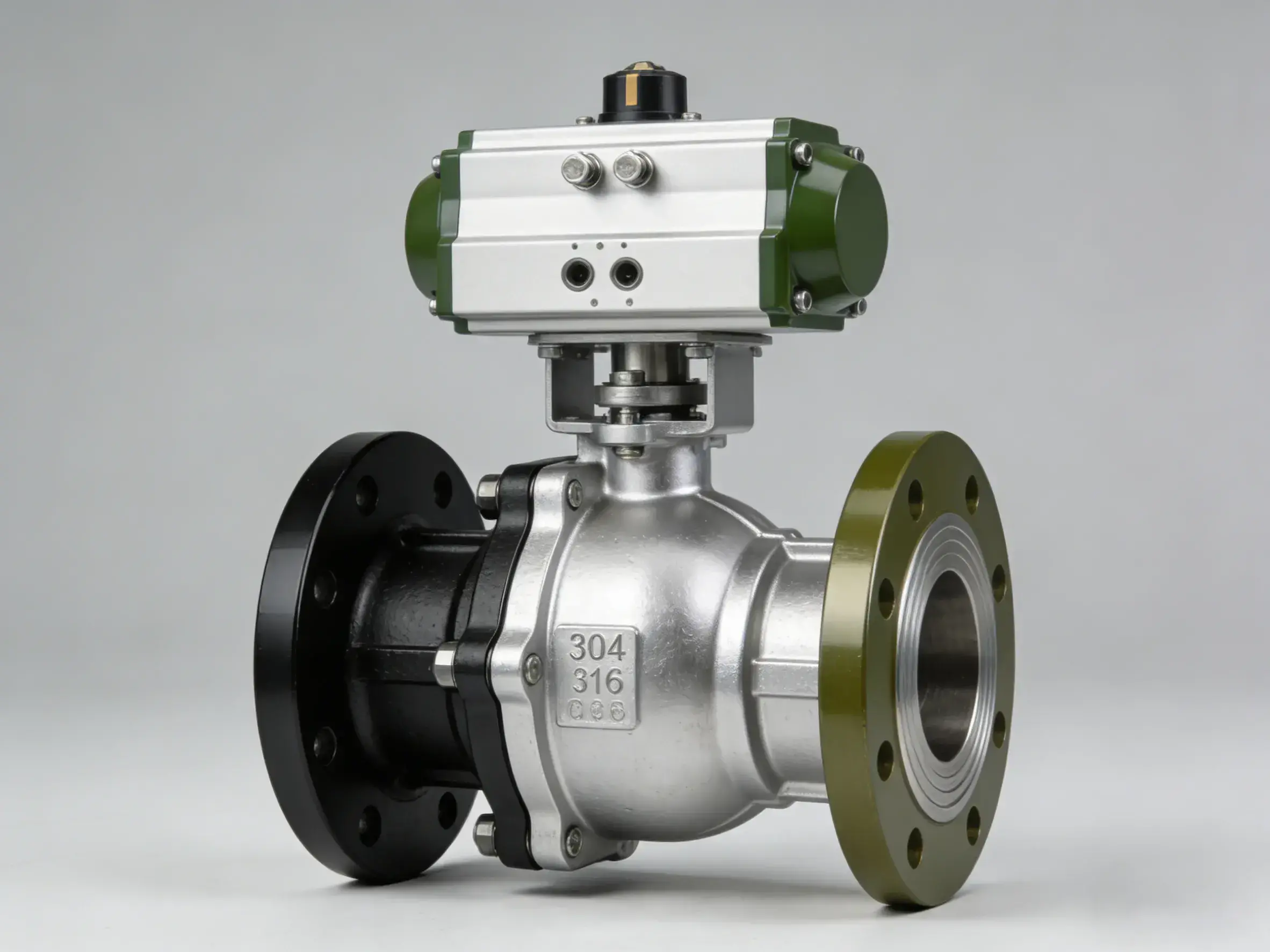
mission critical premium coated ball valve selections?
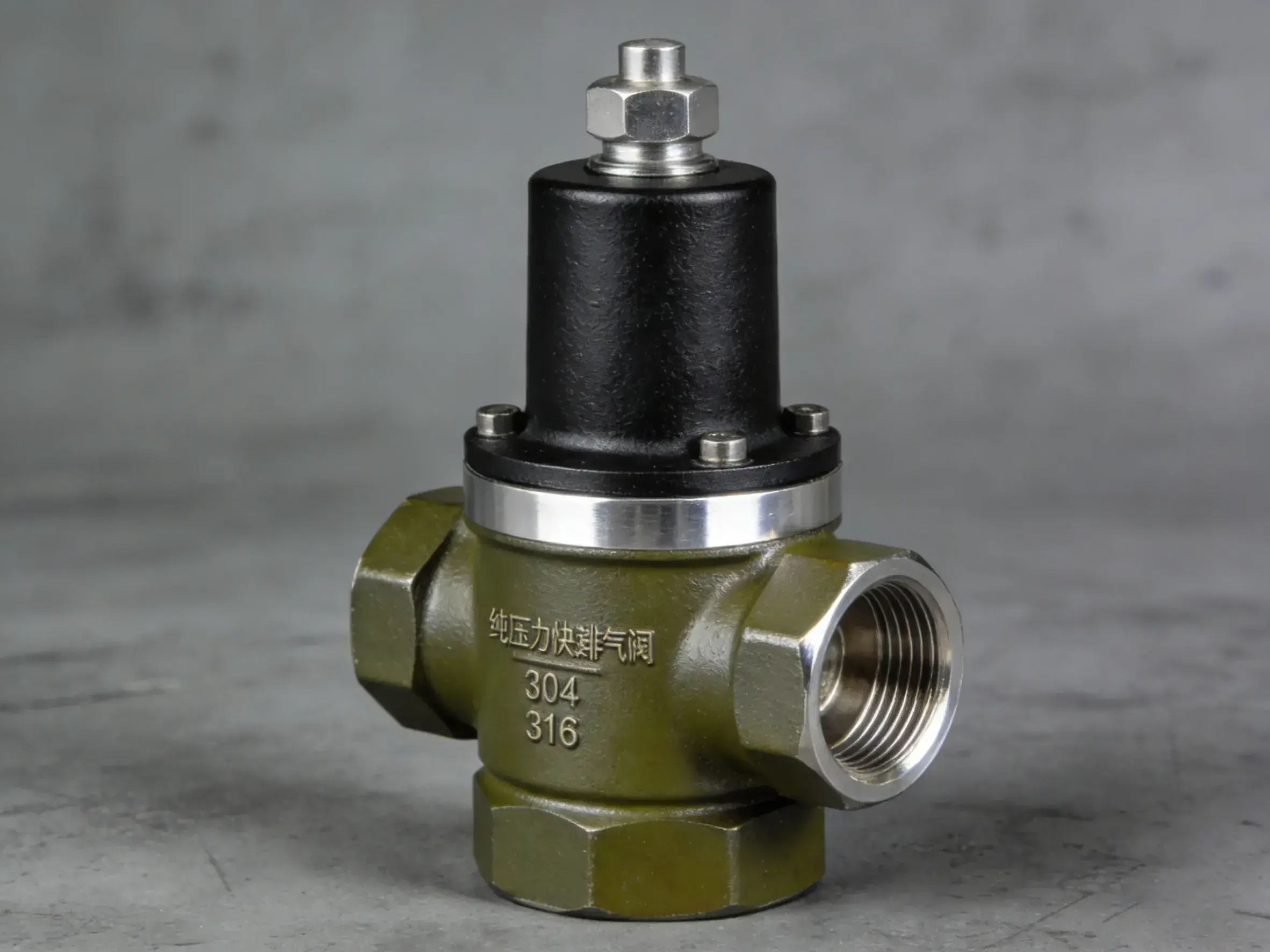
Fundamental industrial valve decision advances process throughput and entire system effectiveness. To ensure smooth functioning, one must precisely pick valves that conform to system necessities.
A comprehensive valve selection guide should consider a set of determinants covering fluid composition, load pressure, temperature bracket, flowing volume, and controlling standards. On top, establishing the needed valve operation model such as pneumatic, hydraulic, or electric is crucial.
Analyzing Butterfly Valve Performance: An In-Depth Review
Identifying key effectiveness indicators for butterfly valves is vital for experts aiming at dependable and efficient system operation. The study explores vital elements affecting butterfly valve functionality, covering composition features, environmental conditions, and evaluation procedures. Using exhaustive scrutiny of these attributes, the study strives to give detailed grasp of contributors to butterfly valve efficiency.
- Fabrication traits essentially steer overall capability
- Elements forming valve enclosure critically dictate toughness amid assorted utilitarian backgrounds
- Pressure drop is a key consideration when evaluating butterfly valve performance, especially in applications requiring high flow rates
Ball Valve Deployment in High-Force Scenarios
Ball valves manifest as strong choices for addressing raised pressure challenges. Their elementary system includes a round globe with an orifice that rotates to operate fluid transfer. This configuration skillfully confronts increased pressure situations through its strong locking.
Throughout areas like petroleum, ball valves carry a significant responsibility in directing raised pressure tubing. Their strength renders them suitable to endure the strain of elevated pressure liquids.
- On top, ball valves employ prompt switching, ensuring effective flow modulation.
- Accessible in several compounds and capacities, ball valves customize to address distinct necessities of assorted heightened pressure contexts.
Appreciating Several Valve Species and Their Functionalities
Throughout hydrodynamics, valves execute a fundamental task controlling the transit of liquids and gases. Determining fitting valve style is crucial for enhancing system productivity. Valves distinguish through their mode of action, form, and usage pattern. Typical valve categories comprise gate, globe, check, ball, and butterfly varieties. Each category reveals individual traits, fitting them for designated operations. Specifically, gate valves govern flux entirely, but globe valves grant meticulous control of velocity. Check valves block reflux, assuring forward-only passage. Ball valves manifest rapid and reliable toggle operation, while butterfly valves are fruitful for high output applications.
Advancing Fluid Steering by Industrial Valves
Adjusting flow constitutes a fundamental element within diverse industrial tasks. Industrial valve mechanisms occupy vital roles steering fluids and gases within installations. Applying relevant valve styles coupled with tactical control schemes assists organizations in augmenting process performance, risk reduction, and quality results.
A principal consideration in refining flux handling depends on awareness of various valve utilizations. Various valve constructions match particular fluid behaviors, tension intervals, and functional settings. To illustrate, globe valves regularly fulfill flow throttling, whereas ball valves prevail in direct off-on usages.
Securing reliable flux oversight entails examination of considerations like valve size, driving instruments, and control policies. Employing innovative management tools like PLCs facilitates automatic fluid observation and calibration, improving production effectiveness.
Systematic servicing of plant valves is required for preventing shortcomings and upholding reliable flow operation. Detecting prospective problems promptly can reduce expensive stoppages and guarantee uninterrupted functioning of vital procedures.
Care Recommendations for Facility Valve Systems
Scheduled servicing of industrial valve assemblies is important for preserving seamless and consistent operation in diverse workplaces. A thorough servicing schedule has to be developed, containing recurrent evaluations to identify uncertainties before major disruptions take place. Periodic greasing of valve parts observing maker's recommendations considerably raises operational timeframe and diminishes resistance. Also, caring for valves by purifying obstructions contributes to seamless functioning.
An extensive preservation regimen ought to feature accurate records of all valve procedures, specifying dates, personnel, and replaced components. Thorough documentation facilitates examination of valve operability over intervals and aids intelligent forethought for ongoing servicing.
Automated Processes for Valve Handling
Automated systems have transformed valve operation across various sectors. Integrating automated frameworks empowers optimized valve handling, restricting manual efforts and amplifying production efficiency. Computerized valve handling yields distinct positives such as better positioning, cut downtime, and increased safeguard
- Detectors are essential in automated valve setups, delivering instantaneous information about valve status. The system evaluates these signals to automatically alter valve controls
- Automation control modules routinely govern electronic valve tasks, enabling complex command strategies. They are capable of tracking valve status, detecting possible problems, and initiating remedial measures
Additionally, machine-controlled valve management facilitates better system surveillance. Collecting valve usage details enables operators to gain essential feedback to optimize operations and curtail spending
Fundamental Safety Guidelines for Valve Setup
When mounting valves in industrial settings, meticulous safety standards are fundamental. Breaching precautionary protocols invites perilous failures, conceivably producing system damage and essentially personal harm. A vigilant peril inspection must be arranged before mounting to uncover hazards and integrate applicable management measures.
Ensure that all personnel involved in the installation process are adequately trained and certified in handling industrial valves and adhering safety guidelines. Formulate a continuous series of audits targeted at finding operational faults or deterioration within valves. Safeguard exhaustive records encompassing every placement, inspection, and care action for future use
- Adhere to applicable trade guidelines and laws controlling valve setup and management
- Operate adequate utensils and mechanisms built for industrial valve construction
- Coordinate clearly with every participant related to the initiative to guarantee secure and smooth assembly
Valves: Fundamental Parts in Manufacturing Fields
Across the sophisticated segment of fabrication/processing/manufacturing frameworks, valves become fundamental pieces. Their role is to direct the stream of liquids inside complicated setups, guaranteeing smooth performance and protection. Valves serve extensively in varied activities, comprising command of temperature variables and pressure parameters coupled with moving items
- Various valve groups emerge, each tailored to accomplish selected missions. Familiar samples feature gate, ball, and globe types
- The selection of the appropriate valve depends on factors such as flow rate, pressure, temperature, and the type of fluid being handled
- Dependable valve operations remain critical in manufacturing contexts to avoid interruptions and guarantee output standards
Frequent evaluation of valves is crucial for enhancing durability and avoiding prospective malfunctions
High-Tech Materials in Valve Creation and Building
The modernization of valve fabrication and development directly results from systematic integration of modern substances. These state-of-the-art substances yield an array of enhanced properties behind ordinary options, enabling designers to produce more proficient valves. Typical examples include solid ceramic compositions used for hardness amid demanding surroundings, combined with lightweight metal alloys enhancing output while decreasing heaviness. The application of state-of-the-art materials results in valves presenting upgraded sealing quality, extended lifespan, and improved corrosion tolerance
Valve Actuation Mechanisms: A Comparative Study
{This investigation delves into the diverse valve actuation mechanisms prevalent in modern engineering applications|This exploration examines the varied valve drive technologies common in contemporary engineering uses|The study analyzes the mixed valve triggering systems typical in current engineering projects|This research evaluates the assorted valve motion methods widespread in advanced engineering scenarios|The survey inspects the multiple valve control techniques existing in up-to-date Ball Valves engineering solutions|This review considers the assorted valve operating mechanisms encountered in present-day engineering environments|This analysis explores the various valve activation systems found in progressive engineering implementations|The inquiry scrutinizes the heterogeneous valve act