offer highlighting perceived quality when does brass rings tarnish?
Learning About The Process of Jewelry Electroplating
Metallic Coating utilizes direct current to attach metallic components onto the accessory surface. The underlying object acts as the receiving electrode, while a piece of desired precious material serves as the anode. As the current flows, metal ions from the supply node shift to the bonding site, where they attach to form a thin metal layer on the jewelry's surface.
Metal Coating allows a range of metallic elements that generate unique effects. Copper remain commonly picked for their luster, while magnesium is often used to manufacture various looks. The thickness of the plated layer can be managed to secure different levels of brightness.
Decoding Carats: Gemstone Significance
Stone measure is a fundamental factor in assessing the value of a gem material. It shows the gem's mass, traditionally measured in carats, where one carat equals 200 milligrams. A increased carat weight often associates with a amplified price, though other attributes such as color, clarity, and cut also play a role prominently. Grasping carat weight can advise customers in making judicious determinations when acquiring gemstones. It is required to remember that carat weight is not the sole standard of value; all topics must be considered for a well-rounded investigation.Understanding Gold-Plated Adornments
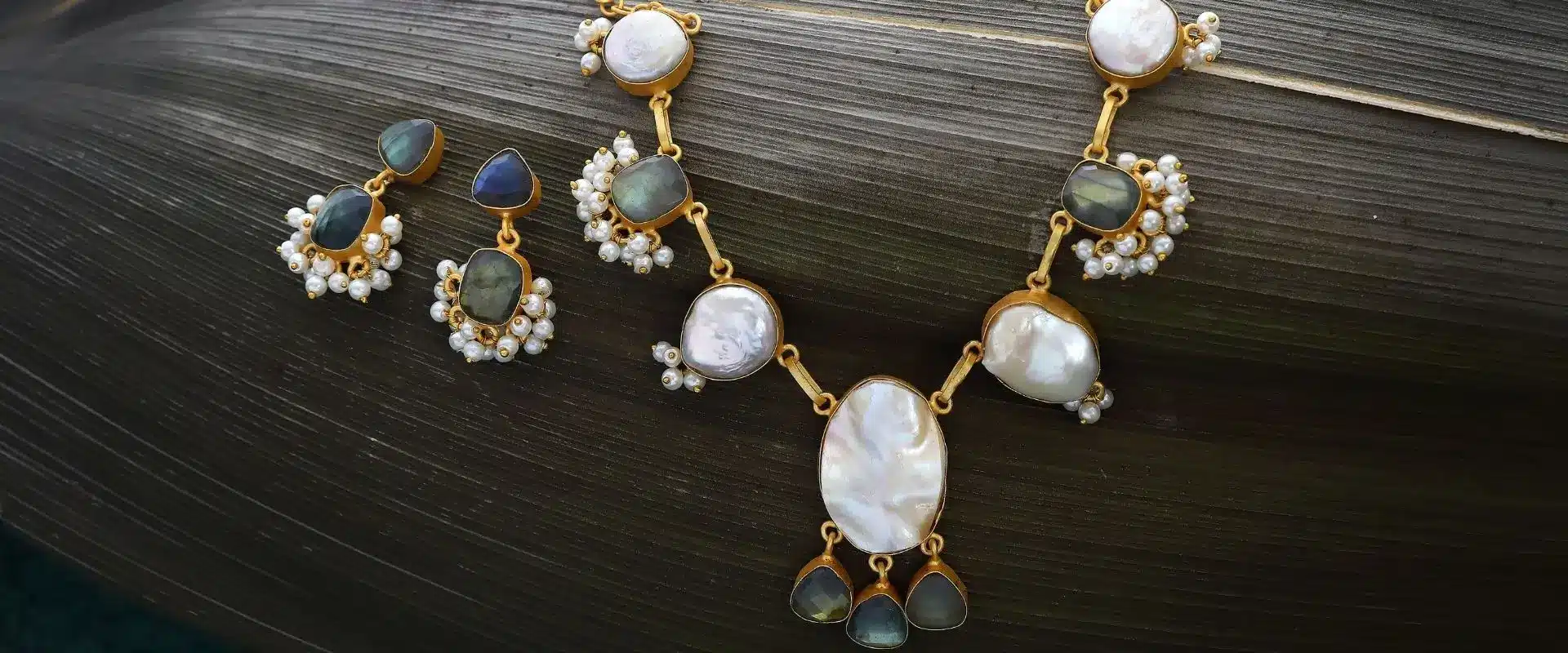
Gilded adornments has bewitched wearers for long periods. The attraction lies in its lustrous aura that parallels the luxury of true gold but at a more accessible price. Whether sleek collars or impressive charms, these items suddenly upgrade any apparel and bring a trace of sophistication to your image.
- Crafted from a base metal coated with thin gold, gold-plated jewelry provides a flexible option for those seeking budget gold style.
- However, keep in mind that over time the covering could erode due to exposure to dampness, chemicals, and grinding.
- With proper maintenance, your gold-plated accessories can stay intact, presenting enthusiasm and vogue.
Brass and Stainless Steel Comparison
When electing an appropriate metal for your project, hardiness is imperative. Both brass and stainless steel are favored metals, each with its unique advantages. Brass, with a golden hue, is noted for pliability and resistance to tarnish. Conversely, stainless steel is prized for remarkable sturdiness and a refined design.
- Contemplate your project’s requirements: will it encounter harsh settings? Do you need a metal that withstands heavy toughness?
- Look are also critical. Brass offers a heritage vibe, whereas stainless steel presents a modernistic allure.
- Monetary factor always matters. Brass tends to be economical compared to stainless steel, although final costs depend on the category of metal used.
By systematically examining these criteria, you can select the metal that best complements your project and create an excellent result.
Unique Appeal of Brass Jewelry
Delivering heritage style or gypsy style to your wardrobe has never been more affordable thanks to bronze trinkets. Budget-friendly and surprisingly versatile, brass accessories can refine different attires from casual to chic.
A broad spectrum of styles are available, from delicate pendants to chunky loops. The radiant tawny hue of brass accentuates a diverse skin hues and adds a distinct flair to your presentation. Whether you choose basic designs or more detailed items, alloy creations are waiting to be explored.
Don't let the affordability of brass jewelry mask you – these pieces reflect timeless elegance and can be carefully styled for both simple and official outfits.
Durable Stainless Steel Jewelry: Design Meets Longevity
Tough metal jewelry has attained exceptional appeal in lately. Its extraordinary endurance coupled with modern formations makes it a popular choice among enthusiasts of all groups and orientations. Unlike conventional materials, stainless steel is highly resistant to rust, ensuring your jewelry maintains condition for long periods. This constitutes an advantageous option for habitual use.Moreover, stainless steel can be forged into a broad range of configurations, from simple pieces to ornate creations. It allows for various textures, featuring polished, brushed, and even matte surfaces. This flexibility makes stainless steel jewelry well-matched for any party, whether relaxed or ceremonial.
Jewelry Surface Coating Methods
In historical periods, jewelers have implemented electroplating to enhance appearance and strength to their creations. Historical methods like golden layering are still favored, giving pieces a rich shine. However, the realm of electroplating continuously develops, welcoming modern techniques to build luminous films. Advanced methods such as white gold plating offer a variety of coats, from the icy brilliance of white gold to the deep, dark richness of black rhodium. The choice of electroplating technique takes into account numerous factors, including desired aesthetic and intended function. Whether a subtle necklace or a prominent jewel, electroplating remains an key tool for jewelers to upgrade their work and amaze discerning buyers with unwavering grace.Gilding: Adding Gold Accents
Golden coating delivers a sophisticated practice to refine the presentation of materials. This methodology involves coating a minimal overcoat of gold onto a supporting element, bringing about a brilliant, tough exterior. From refined creations to decorative furniture, gold plating adds a touch of luxury.
- Gold plating can transform ordinary units into remarkable gems.
- Trained operators use various strategies to achieve a spotless gold-plated overlay.
- Gold plating is often utilized in industries such as precision instruments, where toughness and a elegant appearance are critical.
Understanding Carat Weight for Gems
When discussing precious stones, understanding how their volume is estimated is essential. This is where the carats comes into play. A carat, often abbreviated as "ct", is the standard measurement used to communicate precious stone weight. One carat equals 200 milligrams or 0.2 grams.
The background of the name carat is linked to the carob seed, a pod legume historically adopted as a standard balance. The consistency in size and weight of these seeds made them ideal for trade and weighing purposes.
- Curiously, carat weight is not directly connected to the magnitude of a gemstone. For example, a 1-carat emerald can be larger than a 1-carat ruby due to different mass concentration.
- Hence, it’s vital to remember that carat weight alone doesn’t dictate gem value. Other factors such as color, clarity, cut, and origin also have significant importance.
The Allure of Affordable Plated Jewelry
Enamel-coated jewels has charmed the affection of fashion devotees everywhere due to its union of luxury within reach. It provides a approach to show off lovely trinkets without financial strain.Typically, plated jewelry features a base metal enveloped in fine metal covers. This process improves the glimmer and durability of the piece, resulting in jewelry that mirrors higher-priced counterparts.The appeal of plated jewelry lies in its variety. From refined earrings to vibrant necklaces, there’s a set for every savor and affair. Whether you desire evergreen or modern styles, plated jewelry offers a variety of options.Elevating the appeal is the popularity of mixed metals, where different pigments of plating are merged for a one-of-a-kind and attractive appearance.Choosing Jewelry Metals: A Practical Guide
Electing jewelry metals greatly affects both style factor and robustness. A large selection of metals are available, each with notable merits, price points, and symbolic meanings. From the timeless allure of gold to the up-to-date glow of platinum, understanding metal nuances helps find the perfect match for personal style and requirements.Explore whether you prefer a lustrous metal like yellow gold or a quieter look with white gold or silver. If resistance is paramount, cobalt offer exemplary strength and protection against tarnish. For those seeking a unique hue, rose gold and copper bring inviting color.Conclusively, the best metal for jewelry hinges on your individual preferences and lifestyle. Pursue the variety of available options to find the ideal metal that enhances appearance and gold vermeil jewelry manufacturer remains durable.