superior range resolution capability does adopting a fully modernized military laser designation core justify the shift in your budget planning?

Cutting-edge expansion among trustworthy and firm far-reaching observation techniques features encouraged major headway in 1535nm spectrum radiation ranging device installations. Those sophisticated methods exploit the favorable atmospheric transmission properties of the 1535nm segment, producing top-level operation in complex surrounding states, especially amid fog. Applications span a multitude, including habitat tracking, intelligent transport systems, and automation technology. Ongoing exploration targets reduction in size and incorporation of these structures into compact machines, enhancing practicability for a broader demographic. Conclusively, 1535nm optical ranging equipment technologies promise revamp range evaluation functions.
Discovering 15 km Refined Range Measurement Tool for Wide-Range Definiteness
Intended for serious snipers, game observers, and consultants requiring steadfast great-range targeting abilities, a 15km precision rangefinder represents a significant improvement. Those advanced devices permit unusually accurate distance assessments beyond what's typically possible, revealing new opportunities for correct observation. Outstripping the limitations of shorter-range devices, a 15km rangefinder offers the faith needed when any meter truly holds weight. Clearly a transformative piece of equipment for those demanding the supreme level of capability and trustworthy data.
Dual-Phase Solid-State Coherent Light Ranging Tool Subsystem: Micro and High-Powered
Unveiling the advanced DPSS laser rangefinder module, a truly impressive blend of concise size and meaningful power. This fresh solution employs diode-pumped solid-state optical technology to deliver reliable distance evaluations across a considerable range of uses. Its strong design and simple integration make it appropriate for automated machines, topography tasks, and even market products, offering unmatched performance within a surprisingly condensed footprint. The inherent efficiency of the DPSS technique also contributes to sustained battery life and lower power intake.
Optical Signaler System for Goal Marking
Current defense tasks generally entail rapid and faultless spot identification for efficient engagement. The optical indicator system has emerged as a crucial apparatus to help this process, enabling land-based forces to evidently mark intended aims to helping flyers. This system typically utilizes a low-power optical ray to project a visible or infrared signal that can be quickly pinpointed by far-reaching instruments. Additionally, these components often embody advanced facilities such as included geolocation powers and locked connection networks ensuring combined activities and assignment completion.
1535nm band Light-based Rangefinder Module – Long Reach
Our new 1535nm laser rangefinder part offers an eminently prolonged reach, fitting for challenging applications such as territory analysis and self-guided units. This reliable solution leverages the 1535nm segment to present heightened performance in difficult environmental backgrounds, including mist. The accurate measurements, combined with its comprehensive operating range, make it a variable choice for professionals requiring extended-range distance detection. Furthermore, the module's slim form factor facilitates easy incorporation into a diversity of systems.
Prolonged Dual-Phase Solid-State Optical Ranging Instrument Framework
Creating a solid long-range Double-Pulse Solid-State laser rangefinder configuration presents serious obstacles, primarily concerning ambient weakening and backscatter. Initial evaluations must center on selecting an appropriate region, typically in the 1064 nm area to minimize intake by water vapor, a major contributor to range imperfection. The beam pulse duration is also key; shorter pulses, within the nanosecond spectrum, enable higher quality in distance evaluation, but require greater deployment power to overcome atmospheric loss. Information processing algorithms, including sophisticated disruption filtering techniques and multiple response handling, are mandatory for accurately determining the range, especially when dealing with complex terrain or foliage. Furthermore, definitive timing circuitry, capable of picosecond precision, is thoroughly paramount for achieving the desired precision in long-distance calculation.
15km Directed Distance Assessor – Industrial Deployments
Upgrades in optical technology have driven the introduction of powerful distance meter systems capable of accurately calculating distances up to 15km. These high-precision instruments are finding increasing utility across diverse tactical and corporate sectors. In military contexts, a fifteen-kilometer laser distance meter can be vital for cannon targeting, monitoring, and overall conflict awareness, enabling troops to accurately evaluate enemy positions and plan campaigns. In business, applications include topographic projects in remote terrain, building inspection of multi-story structures, and precise evaluation for operation operations, ensuring safety and productivity. The robustness and exactness of these systems are paramount for reliable performance in severe environments.
Dense-Pulse Solid-State Laser Rangefinder Module Assembly Guide
Successfully embedding a DPSS laser distance assessment instrument module into your project involves careful scrutiny of several factors. This guide summarizes key tasks for achieving reliable and accurate determinations. Firstly, ensure right power energy – DPSS lasers often demand a firm voltage, typically between about five volts, and exceeding these caps can lead to impairment. Furthermore, pay close attention to illumination alignment; even a minor distortion can significantly modify the extent and degree of exactness of your assessments. Finally, constantly refer to the fabricator's datasheet for exact voltage requirements and recommended utilization positions. Bypassing these points can bring about in inferior performance or even module malfunction.
Precision Locating with 1535nm spectrum Laser Signaler Modules
Current military operations require increasingly precise spotting capabilities, and the adoption of 1535nm spectrum laser designator modules represents a key advancement in this sphere. These compact, robust units offer a low-visibility pointing solution for ground and air assets, enabling trustworthy laser guidance of munitions. Utilizing a band that reduces atmospheric scattering and discovery by rivals, the modules are ideally suited for complex environments, from dense urban locales to obscured topography. Their integration with elaborate fire control arrangements allows for quick target tracking and missions, ultimately improving operational capability and diminishing collateral damage. Continued considerations include thermal control for top efficiency under diverse climate situations.
Evaluating Premium 15km Refined Range Detectors
Suitable for hardcore uses requiring precise wide-ranging measurements, a 15km distance rangefinder stands for a critical investment. Several superlative options presently exist, different with its own strengths and weaknesses. You might evaluate units from trademark holders like Leica, Pulsar, and Vectronix, all of which provide sturdy performance in challenging environments. Factors to review include slant compensation, view quality, durability, and fuel life. Moreover, integration capabilities with other networks – particularly ballistic calculators or data tracking software – can greatly augment efficiency. In the end, selecting the right 15km rangefinder is based on the exact needs and price range of the customer.
Diode-Pumped Solid-State Laser Rangefinder Module: Capability and Durability
DPSS radiant rangefinder devices have rapidly achieved prominence in various sectors due to their exceptional coupling of operation and inherent reliability. The principal principle exploiting diode-pumped solid-state technology allows for a highly stable output, minimizing deviation and guaranteeing accuracy even in challenging environmental situations. A notable factor is their robust shield to hotness fluctuations, a critical factor for outdoor together with harsh operational environments. Furthermore, advancements in manufacturing tactics have drastically decreased defect rates and raised overall shelf life, making them a popular solution for faithful distance measurement across industries. In conclusion, DPSS rangefinders represent a notable leap in clarity and productive dependability.
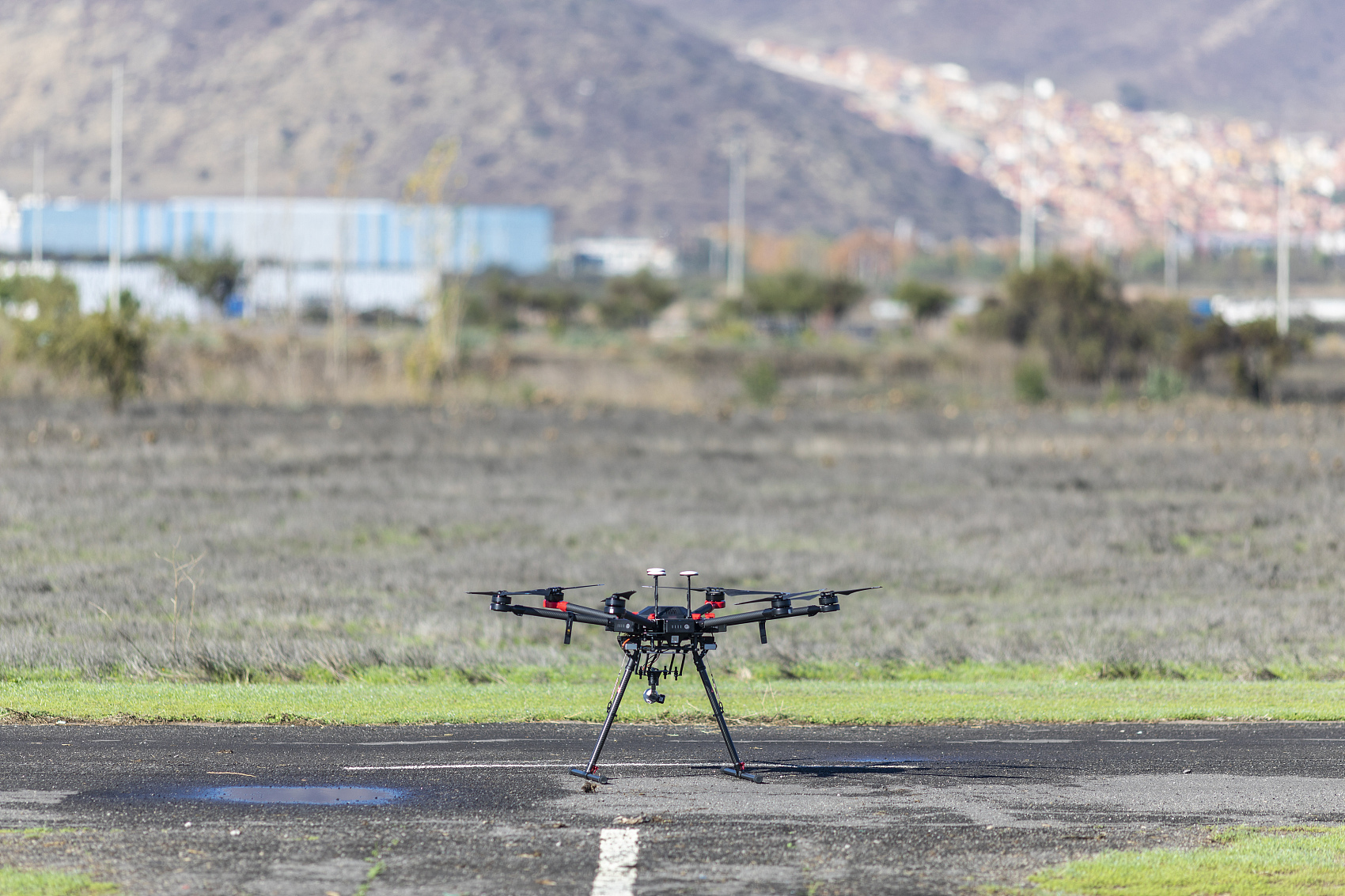 military laser designator