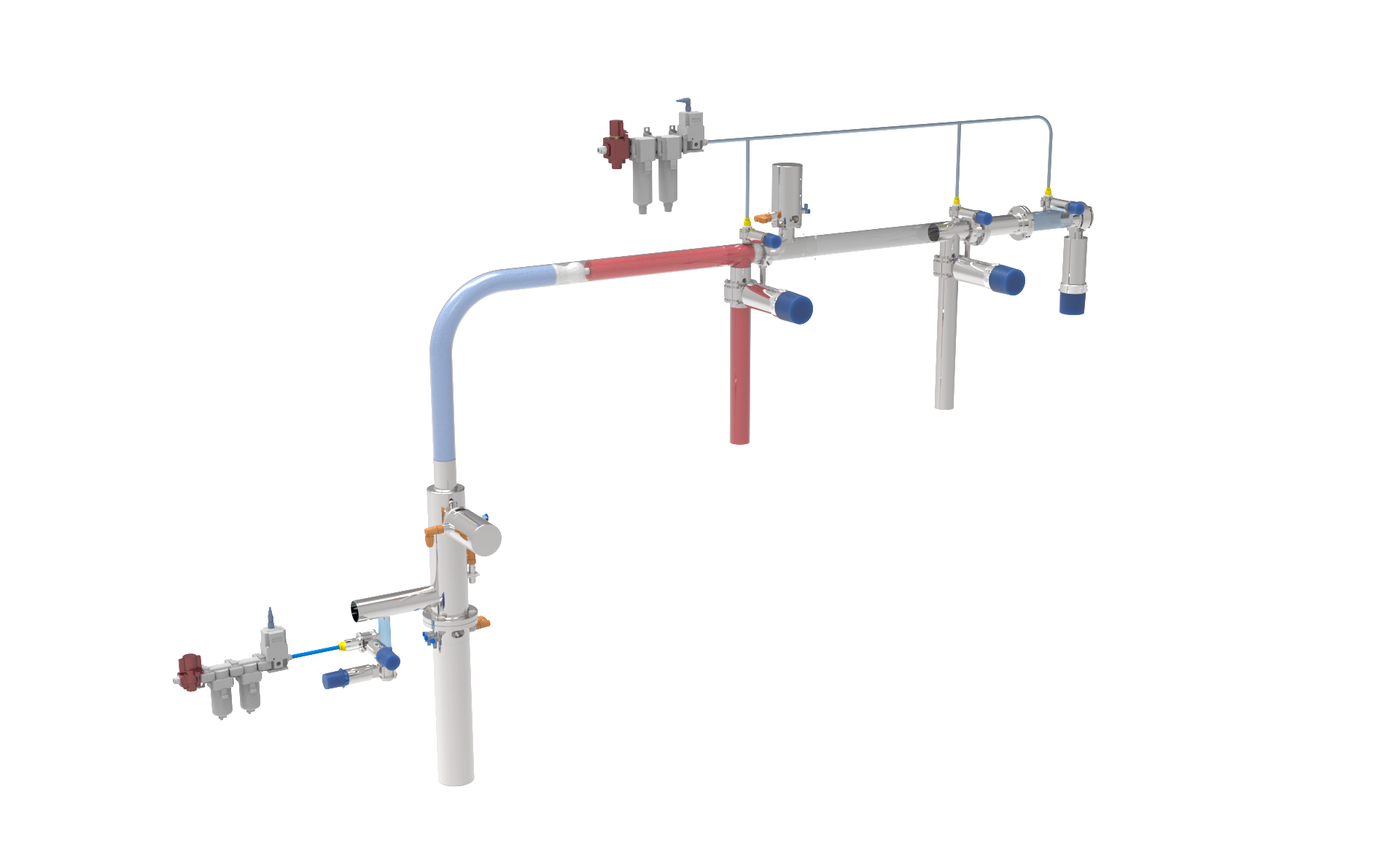
technology enabled scalable sanitary pigging networks for multi line plants?
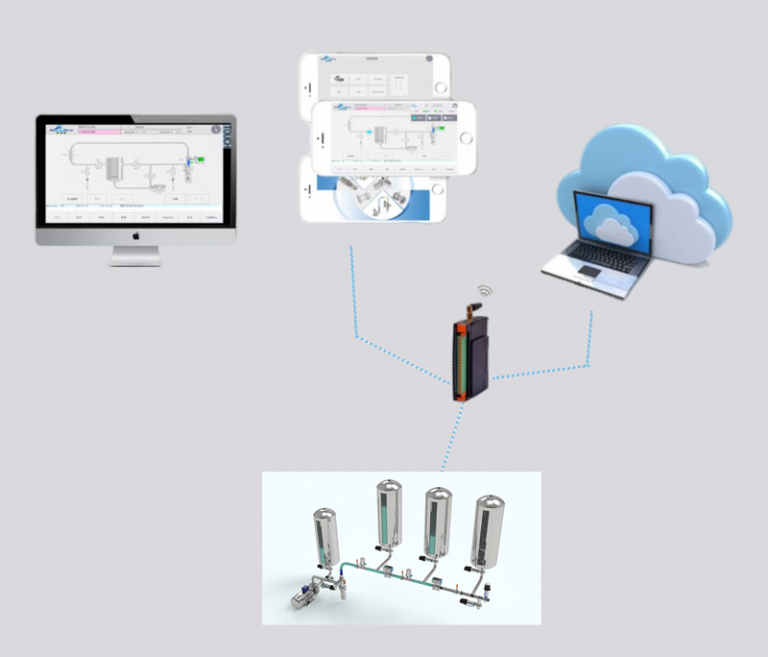
Beginning Advanced pigging systems pet food Pigging Technologies
Sanitary Pigging Systems for Food-Grade Applications
Conducting sterile pipeline strategies establishes high-quality neatness including preserved contents. This methodology contain high-grade materials capable of withstanding strict sanitization processes while hampering microbial buildup.
- Innovative designs implement smart hygiene functions, extending maintenance ease.
- Observance of statutory rules remains essential for any compliance solution deployed in nutritional product production. Technologies are manufactured to adhere to tough legislation, ensuring the utmost safety conditions.
Enhancing Operational Excellence through Pigging Systems
Flow management pigging technologies renders a robust tool for enhancing fluid conveyance. By using intelligent cleaning device positioning and strategic checkup intervals, supervisors can alleviate process halts, improve conveyance levels, and ensure fluid channel reliability. Pigging identifies potential faults such as blockages or erosion but also facilitates efficient upkeep and audit processes. This forward-looking channel supervision substantially diminishes financial outlay and adds to the full resilience of transit structures.
Quality Assurance through Pigging in Pet Food
Fluid pipeline pigging have become required components within the pet aliment industry industry. These systems enable the safe and efficient movement of constituents through passages, reducing pollution risks. By reliably differentiating different ingredients or manufacturing runs, pigging systems benefit ensure the highest levels of caliber and trustworthiness in pet food production.
As well, pigging systems equip a variety of benefits, comprising reduced downtime for hygiene and monitoring, improved processing effectiveness, and scant product loss. The use of pigging systems eventually adds to the production of harmless, beneficial, and uniform pet food.
The Importance of Sanitary Design in Pigging Systems for Pet Food
During the production of pet food, maintaining strict hygiene is crucial. Pigging systems are pivotal in assuring product excellence and protection by efficiently sanitizing pipelines between production stages. A well-designed pigging system incorporates constituents that stay clear of adulteration chances, boost consistent hygiene practices, and mitigate impurity infusion between batches.
- Utilizing unblemished coatings minimizes the potential for microbial colonization.
- Materials that are sterilizable and deterioration-proof are vital for maintaining hygiene.
- Proper valving restrains the return flow of foreign matter during cleaning and pipeline delivery.
Reliable pigging layouts also optimize facility functioning by decreasing downtime for sanitation. By systematically getting rid of residues and avoiding cross-contamination, these systems build to a more stable production process, ultimately leading to the development of clean and exceptional pet food.
Pipeline Hygiene and Evaluation
Preserving the strength of conduits is important for reliable and powerful flow of payloads. Pigging systems deliver a low-cost technique to preserving pipelines. A pig, also called a pipeline toolkit, represents a high-tech device driven through the pipeline to accomplish various tasks. Cleaning pigs dislodge buildup and contaminants, while inspection pigs are installed with instruments to detect flaws in the pipe walls. Regular pigging helps minimize pipeline problem, ensuring safe and reliable functioning.
- Many types of pigs are available, each customized for specific requirements.
- Pigging operations are effective and can be managed remotely.
- Integrating a pigging program can increase the endurance of pipelines and curtail maintenance costs.
Innovative Pipeline Tools for Pet Food
Pigging is established as a crucial process in the pet food industry, providing efficient and sanitary production.
Leading-edge pigging technologies use sophisticated machinery to competently sterilize pipelines. This cuts down the risk of cross-contamination between different pet food types, thereby strengthening product safety and quality.
In addition, advanced pigging systems offer a range of benefits such as: * Elevated cleaning process capabilities * Cutback on maintenance-related pauses * Upgraded cleanliness protocols * Lowered dependency on toxic agents
The utilization of these technologies shows the pet food industry's commitment to generating uncontaminated and excellent goods for customers.
Hurdles and Strategies in Pigging Systems for Pet Food Production
Pigging systems are crucial in the pet food production process, affirming efficient handling of elements and finished products. However, these systems confront several challenges. One typical problem is blockages caused by ingredient agglomeration. Addressing this downside involves deploying pigging approaches such as flexible pigs and fine-tuning ingredient compounds.
Another problem is the possibility of contamination. To minimize this, strict purification protocols ought to be observed throughout the pigging system. This includes regular scrubbing of pigging appliances and use of effective cleaning compounds. Regular checks are also crucial to uncover potential challenges early on. By implementing these solutions, pet food manufacturers can safeguard the efficiency and reliability of their pigging systems.
Gains from Pigging Technologies in Pet Food
Pigging systems offer a variety of virtues for pet food manufacturers aiming to raise their production processes. These systems apply pneumatic pressure designed to propel an pig, a cleaning device, through the pipeline, reliably removing product residue and contaminants. Therefore, pigging systems facilitate to superior hygiene standards, shrinking the risk of cross-contamination and providing a safer final product for buyers.
- Additionally, pigging systems can inflate production efficiency by shortening downtime for cleaning and maintenance.
- Besides, they assist to diminish waste by preventing product loss during pipeline cleaning.
- Ultimately, pigging systems can be customized to satisfy the specific requirements of different pet food production lines.
Pet Food Production Case Studies: The Power of Pigging
Animal feed business is rising in need of efficient and sanitary systems for maintaining optimal product quality. Pigging systems have risen as a dominant solution to meet these demands, offering a reliable method for cleaning and monitoring pipelines within pet food plants.
A variety of case studies highlight the impact of implementing pigging systems in various levels of pet food production.
- Corporations like [Company A], [Company B], and [Company C] have documented significant improvements in sanitation, product integrity, and overall operational functionality following the adoption of pigging systems.
- Benefits such as reduced downtime for cleaning, decimated cross-contamination risks, and improved tracking of product flow have been recognized in these case studies.
Additionally, pigging systems contribute to eco-friendly reduction by amplifying resource utilization and minimizing waste generation.
Opting for the Right Pigging System for Your Pet Food Pipeline
Regarding preserving the purity standards of your pet food network, a consistent pigging system is critical. Pigging systems maximize efficiency by eliminating product residue and curbing cross-contamination between batches. Selecting the relevant system depends on a variety of requirements, including your production, ingredient characteristics, and present infrastructure.
- Assess the cross-section of your tubes to ensure a ideal pig design.
- Inspect the resistance of your pet food products to establish the perfect pig material and speed of operation.
- Emphasize systems that provide features like manual launching and retrieval for improved security.